

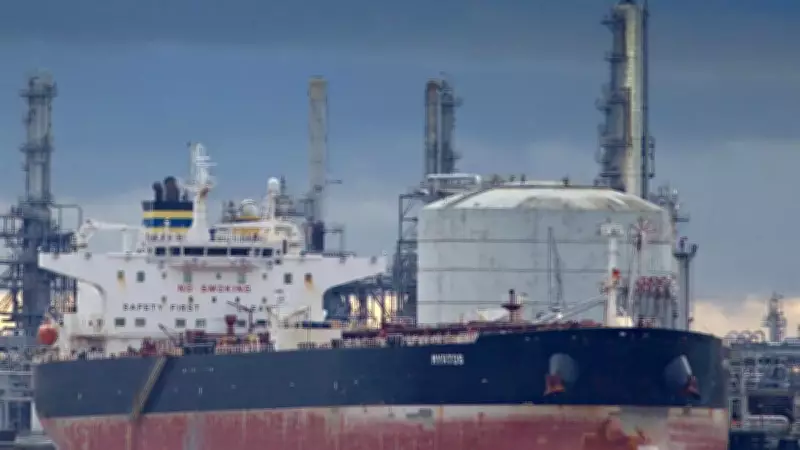
British forces have intercepted a Russian oil tanker that was attempting to cross the English Channel, marking a significant escalation in maritime security operations. The vessel, part of what is known as Russia's 'shadow fleet,' was stopped by UK naval units on [date]. This action comes amid heightened tensions between the West and Russia over energy exports and sanctions evasion.
Details of the Interception
The tanker, identified as [vessel name], was detected by British surveillance systems as it approached the English Channel. UK authorities deployed naval assets to intercept and board the ship, preventing it from proceeding. The operation was conducted in accordance with international maritime law and sanctions enforcement protocols.
Shadow Fleet Operations
Russia's shadow fleet consists of aging tankers used to transport oil and gas while bypassing international sanctions. These vessels often operate without proper insurance or safety standards, posing environmental and security risks. The UK has been proactive in targeting such vessels to disrupt Russia's revenue streams from energy exports.

International Response
The interception has drawn reactions from global powers. The European Union and the United States have praised the UK's decisive action, while Russia condemned it as an act of piracy. The incident underscores the ongoing struggle over energy trade and sanctions compliance.
Implications for Maritime Security
This event highlights the growing role of naval forces in economic warfare. Experts warn that such interceptions could lead to direct confrontations at sea. The UK government stated that it would continue to monitor and intercept vessels attempting to violate sanctions, emphasizing the importance of international law.
The shadow fleet remains a key tool for Russia to maintain energy exports amidst sanctions. However, increased interception efforts by the UK and allies may force Russia to seek alternative routes or methods, potentially escalating tensions further.






