

Mysuru Students Develop Award-Winning Modular Filtration System to Combat Urban Water Pollution
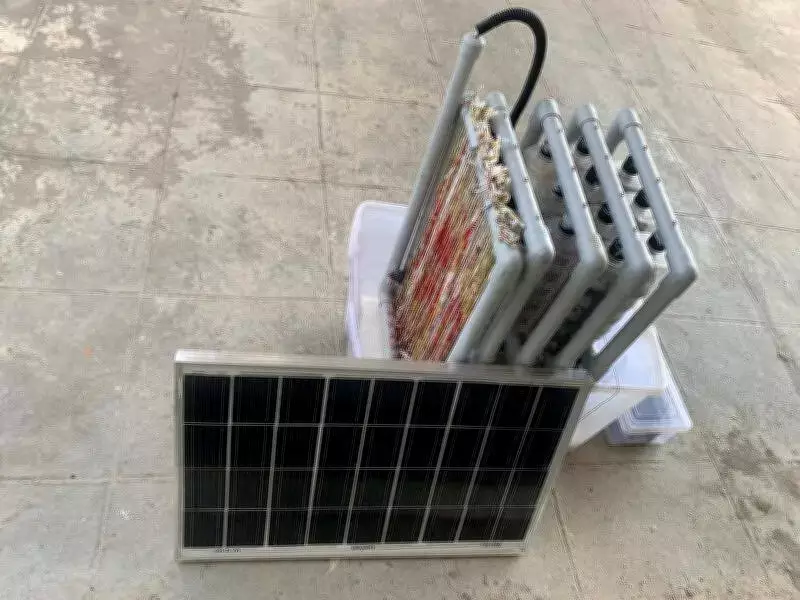
In a significant step toward promoting efficient urban management systems, students from Excel Public School in Mysuru have developed an innovative solution to address the growing crisis of urban water pollution. Their project, named Project Shudhi, is an eco-engineered, modular multistage filtration unit specifically designed for integration into drainage networks.
Recognition at Vision Mysuru-2050 Grand Finale
The groundbreaking project was presented at the Vision Mysuru-2050 Grand Finale, an event organized by the SDM Institute for Management Development. Impressing judges with its practicality and innovation, Project Shudhi secured the first prize at the competition, highlighting its potential impact on urban environmental management.
The Student Team Behind the Innovation
Project Shudhi was developed by a dedicated team of young innovators: Dishaa Arjun from Class 9, along with Saanvi Bojamma K M and Amritha Biligiri Prashanth from Class 10. The students worked under the expert guidance of their mentor, Akhil Sasankan, who supported their research and development efforts.

Addressing Urban Water Quality Issues
The primary aim of Project Shudhi is to provide a simple, low-cost, and easily deployable solution to reduce pollutants in stormwater before it enters lakes and other vital waterbodies. This initiative directly tackles the detrimental effects of urban runoff and inadequate waste management, which persistently degrade water quality and harm aquatic ecosystems across cities.
Inspiration and Development Process
Speaking about the project's origins, Dishaa Arjun explained that the idea emerged from firsthand observations of the deteriorating condition of lakes in Mysuru, including Koorgalli Lake, and the widespread misuse of stormwater drains as dumping points for waste. After conducting nearly a year of intensive research, the team identified a range of pollutants, from visible debris to micro-level contaminants, which informed the design of their multistage filtration system.
The prototype was constructed using accessible and upcycled materials, making it both affordable and environmentally friendly. It is solar-powered and engineered for straightforward deployment in existing drainage infrastructure, ensuring practicality for real-world applications.
Advanced Filtration Technology
The system incorporates a sophisticated multistage process that integrates several key techniques:
- Aeration to oxygenate water and break down organic pollutants.
- Vortex-based separation to remove larger solid waste and sediments.
- Sediment capture mechanisms to trap particulate matter.
- Adsorption media designed to filter out microplastics, oils, heavy metals, and other harmful contaminants at the source.
Scalability and Long-Term Benefits
Built with low-cost materials, Project Shudhi is not only scalable but also requires minimal maintenance, making it an ideal solution for widespread urban implementation. Over time, the system is expected to deliver multiple environmental benefits:
- Significantly reducing the pollutant load entering water bodies.
- Preventing algal blooms caused by nutrient runoff.
- Protecting aquatic life and biodiversity.
- Improving the overall health and sustainability of urban water systems.
This innovative project stands as a testament to how student-led initiatives can support civic authorities and communities in achieving sustainable water management goals, offering a practical model for cities grappling with similar pollution challenges worldwide.






