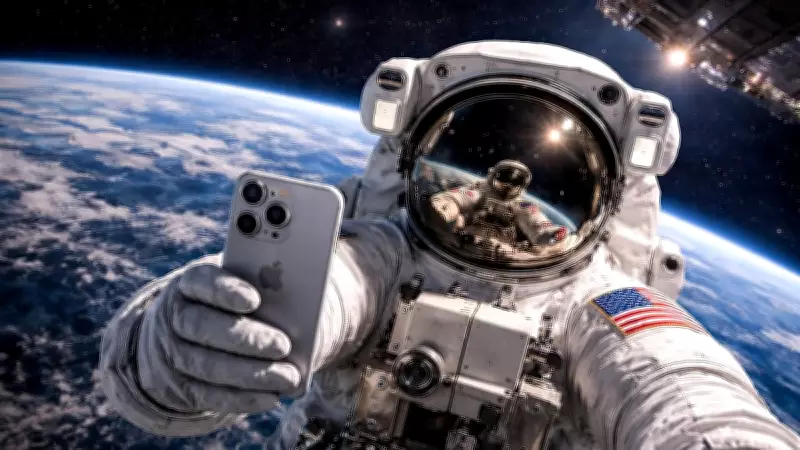
NASA's Artemis II Astronauts to Utilize iPhones on Lunar Journey
In a groundbreaking move, NASA has announced that the astronauts of the Artemis II mission will carry iPhones to the Moon. This decision marks a significant integration of consumer technology into space exploration, aimed at enhancing various aspects of the mission. The iPhones will serve multiple critical functions, including high-resolution photography, real-time communication, and data collection, leveraging their advanced capabilities in a lunar environment.
Advanced Photography and Documentation
The iPhones will be used to capture stunning high-definition images and videos of the lunar surface, providing unprecedented visual documentation. This will allow for detailed analysis of geological features and support scientific research. The devices' sophisticated camera systems, including optical zoom and image stabilization, are expected to produce clearer and more stable footage compared to traditional space cameras, aiding in public engagement and educational outreach.
Enhanced Communication and Data Transmission
Equipped with robust communication features, the iPhones will facilitate real-time data transmission between the astronauts and mission control on Earth. This includes sending telemetry data, health metrics, and situational updates, improving operational efficiency and safety. The integration of these smartphones enables faster and more reliable information exchange, crucial for decision-making during the mission.

Scientific Data Collection and Analysis
Beyond photography and communication, the iPhones will be employed for collecting scientific data through specialized apps and sensors. They can monitor environmental conditions, such as radiation levels and temperature fluctuations, contributing to ongoing research on lunar habitation. This use of off-the-shelf technology demonstrates NASA's innovative approach to reducing costs while maximizing mission outcomes.
Implications for Future Space Missions
The inclusion of iPhones in the Artemis II mission sets a precedent for future space endeavors, highlighting the potential of commercial devices in extraterrestrial settings. It underscores a shift towards more accessible and versatile tools in astronautics, potentially paving the way for broader adoption of consumer electronics in space exploration. This move aligns with NASA's goals of advancing technology and fostering public interest in lunar and Martian missions.

- iPhones will be used for high-resolution lunar photography and video recording.
- They enable real-time communication and data transmission to Earth.
- The devices support scientific data collection through apps and sensors.
- This integration reflects NASA's cost-effective and innovative strategies.
- It may influence the use of consumer technology in future space missions.