

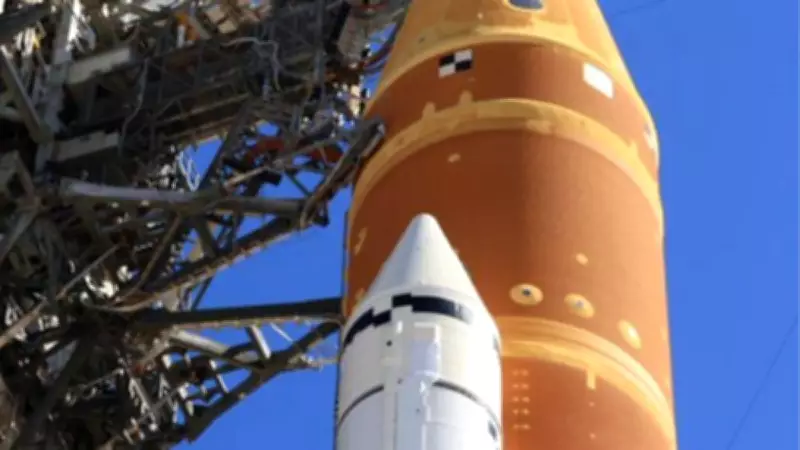
NASA's Artemis II Mission Faces Delay to 2026 After Rocket System Issue
In a significant development for space exploration, NASA has announced a delay in its highly anticipated Artemis II mission, which is now scheduled for 2026. The postponement comes after a last-minute technical problem was identified with the rocket system, underscoring the complexities and challenges of human spaceflight beyond Earth's orbit.
Details of the Rocket Problem and Mission Impact
The delay stems from an issue detected during final preparations for the Artemis II mission, which is designed to send astronauts on a journey around the Moon. NASA officials have confirmed that the problem involves a critical component of the rocket, though specific technical details have not been fully disclosed to the public. This setback highlights the rigorous safety protocols and testing procedures that NASA adheres to, ensuring that all systems are fully operational before proceeding with crewed missions.
Artemis II is a pivotal step in NASA's broader Artemis program, which aims to return humans to the lunar surface and establish a sustainable presence there. The mission was originally targeted for an earlier launch, but the newly identified rocket issue has necessitated a reassessment of the timeline. NASA has emphasized that the safety of the astronauts is paramount, and the delay will allow for thorough investigations and necessary adjustments to the rocket system.

Broader Implications for Space Exploration
This delay could have ripple effects on subsequent missions in the Artemis program, including Artemis III, which is planned to land astronauts on the Moon. However, NASA remains committed to its long-term goals, viewing such challenges as part of the inherent risks in advancing space exploration. The agency is working closely with its international and commercial partners to address the technical hurdles and maintain progress toward lunar exploration.
The Artemis II mission is notable for being the first crewed flight of NASA's Orion spacecraft and the Space Launch System (SLS) rocket, marking a key milestone in human spaceflight since the Apollo era. The delay, while disappointing, reflects NASA's cautious approach to ensuring mission success and astronaut safety, which is critical for building public trust and support for future endeavors.
Next Steps and Future Outlook
NASA plans to conduct additional tests and analyses on the rocket system to resolve the issue before setting a firm launch date for 2026. The agency will provide updates as more information becomes available, keeping stakeholders and the global space community informed. Despite the setback, the Artemis program continues to move forward, with ongoing preparations for other aspects of lunar exploration, such as developing habitats and technologies for sustained missions.
In summary, the delay of NASA's Artemis II mission to 2026 due to a rocket problem underscores the technical challenges of space exploration but also reaffirms the agency's dedication to safety and precision. As NASA navigates these obstacles, the world watches with anticipation for the next chapter in humanity's journey to the Moon and beyond.






