NASA's Artemis Moon Program Accelerates with Major Shift to SpaceX Starship
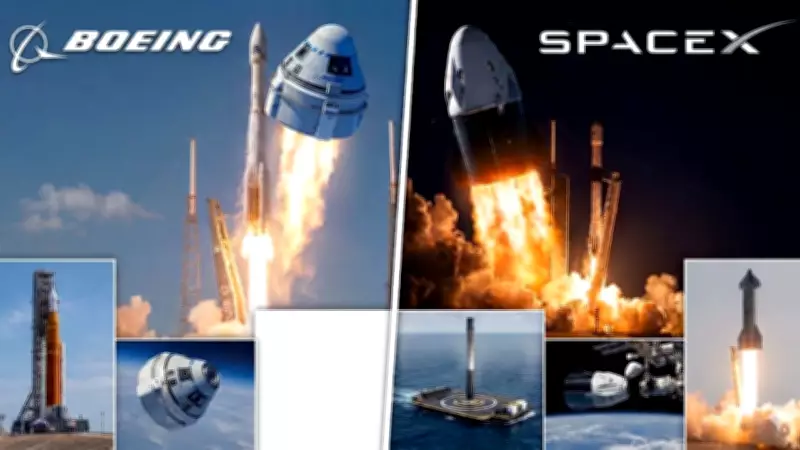
NASA's ambitious goal of returning astronauts to the Moon is gaining significant momentum, with a strategic pivot that is reshaping the landscape of spaceflight. The agency has announced plans to increase the frequency of Artemis missions, adding an extra flight in 2027 and targeting annual lunar landings thereafter. This acceleration comes with a notable twist: SpaceX's powerful Starship is emerging as the dominant force in lunar transportation, while Boeing's Space Launch System (SLS) faces a scaled-back future.
Starship Assumes Central Role in Lunar Landings
SpaceX's Starship, initially designated as the Human Landing System (HLS) for transporting astronauts from lunar orbit to the surface, is now being considered for expanded responsibilities. According to recent developments, Starship may also take on the task of sending the Orion spacecraft to the Moon, a role originally intended for upgrades to the SLS Block 1B. NASA's announcement on February 27 outlined standardized vehicle configurations to enhance reliability and included plans for a 2027 Low-Earth orbit test rendezvous involving Starship or Blue Origin's lander, ahead of the Artemis IV landing scheduled for 2028.
This strategic adjustment is partly driven by the need to respond to international competition, particularly from China. NASA Administrator Isaacman emphasized the urgency, stating, "With credible competition, we need to move faster." Amit Kshatriya, associate administrator, highlighted the importance of maintaining consistent Earth ascent configurations for landing missions, prioritizing Block 1 setups over riskier modifications.

Boeing's SLS Role Diminished Amid Challenges
Boeing, the manufacturer of the SLS core stages at the Michoud Assembly Facility, is experiencing a reduction in the rocket's ambitions. Previously tasked with lofting the Orion spacecraft into lunar orbit, the SLS will now primarily handle Earth orbit launches. This shift has led to a scaling back of planned upgrades and production increases for future SLS Block variants. Despite this, Steve Parker of Boeing affirmed the company's commitment, saying, "Boeing is a proud partner... our workforce and supply chain are prepared to meet the increased production needs," while touting the SLS as "the world’s most powerful rocket stage."
The Orion spacecraft may continue to serve as a human return vehicle, but propulsion limitations have underscored the advantages of Starship's reusability, especially when compared to the SLS's estimated cost of $4 billion per mission.
Artemis Program's Future with SpaceX Dominance
The Artemis III mission will focus on Low-Earth orbit systems checks, including docking procedures, life support systems, and extravehicular activity (EVA) suits, paving the way for smoother lunar operations. Lori Glaze expressed confidence in the team's capabilities, noting, "Our team is up to the challenge... enabling a more frequent cadence." As preparations for the Artemis II launch in April progress, with post-helium fixes underway, this new era dominated by Starship promises quicker returns to the Moon, blending established technology with innovative vision to establish a sustainable lunar presence.
The acceleration of NASA's Artemis program marks a significant shift in space exploration strategy, with SpaceX's Starship taking the lead in lunar landings while Boeing's SLS adapts to a more limited role. This evolution aims to ensure a robust and frequent human presence on the Moon in the coming years.