

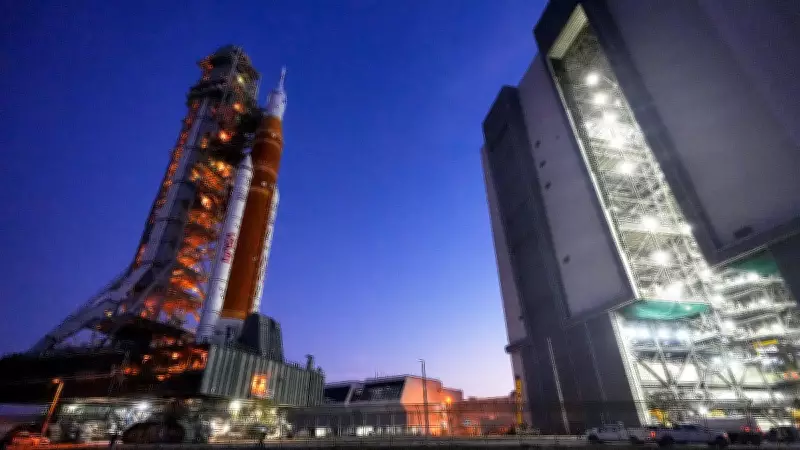
NASA Artemis Moon Rocket Rolled Back to Kennedy Space Centre as Artemis II Mission Delayed to 2026
In a significant development for space exploration, NASA has initiated the rollback of its Artemis Moon rocket to the Kennedy Space Centre in Florida. This move comes as part of a strategic decision to address technical challenges and ensure mission safety, leading to a delay in the Artemis II mission, now rescheduled for 2026. The rollback process involves transporting the massive Space Launch System (SLS) rocket and Orion spacecraft from the launch pad back to the Vehicle Assembly Building (VAB) for thorough inspections and necessary repairs.
Reasons Behind the Rollback and Delay
The decision to roll back the Artemis rocket stems from several critical factors identified during pre-launch preparations. Technical issues with the rocket's systems, including potential leaks and component wear, have prompted NASA to prioritize safety over schedule. Additionally, ongoing assessments of the spacecraft's readiness have revealed the need for further testing and modifications to meet the stringent requirements for crewed missions. NASA officials emphasize that this cautious approach is essential to mitigate risks and ensure the success of future lunar expeditions.
Impact on Artemis Program Timeline
The delay of Artemis II to 2026 represents a setback for NASA's ambitious timeline to return humans to the Moon. Originally targeted for earlier launch, this mission is crucial as it will be the first crewed flight of the Orion spacecraft, testing life support systems and other key technologies in deep space. The rollback and subsequent maintenance activities are expected to extend the preparation phase, but NASA remains committed to its long-term goals, including establishing a sustainable presence on the lunar surface through subsequent Artemis missions.

Key aspects of the delay include:
- Enhanced safety protocols and thorough system checks.
- Collaboration with international partners to integrate feedback and improvements.
- Adjustments to budget allocations to accommodate extended testing phases.
Future Steps and NASA's Commitment
Despite the delay, NASA is leveraging this period to refine its technologies and strategies. The rollback to Kennedy Space Centre allows for comprehensive evaluations in a controlled environment, facilitating quicker resolutions to any identified issues. NASA Administrator Bill Nelson stated, "Our priority is the safety of our astronauts and the reliability of our systems. This delay ensures we are fully prepared for the challenges of deep space exploration." The agency plans to resume launch preparations once all concerns are addressed, aiming for a successful Artemis II mission in 2026 as a stepping stone toward future lunar landings.
In summary, the rollback of the Artemis Moon rocket and the delay to 2026 underscore NASA's dedication to meticulous planning and safety in its quest to explore the Moon and beyond. This development highlights the complexities of space missions while reinforcing the importance of adaptive strategies in achieving groundbreaking milestones in science and technology.






