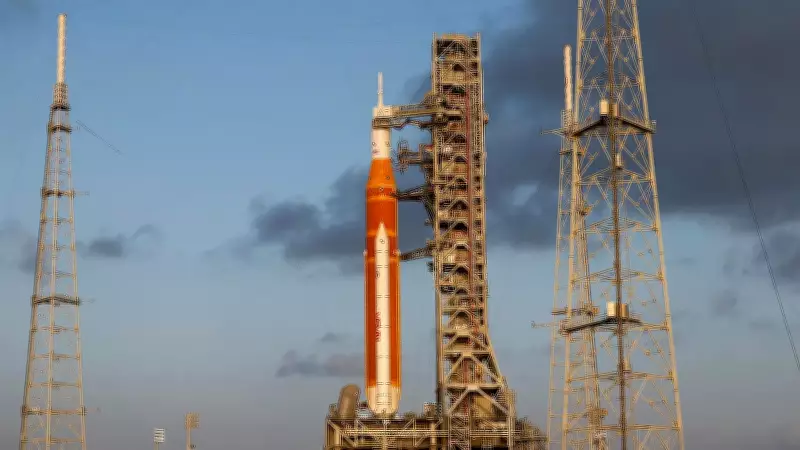
NASA's Historic Return to the Moon After 50 Years
In a monumental leap for space exploration, NASA is poised to launch astronauts to the Moon for the first time in over five decades. This mission, scheduled for April 1, 2026 (April 2 in India), represents a significant revival of human lunar travel since the conclusion of the Apollo programme in 1972.
Mission Details and Launch Timeline
If all systems are operational and no unforeseen circumstances arise, four astronauts will embark on this journey aboard a giant rocket within the next two days. This launch follows technical delays that occurred in February and March, which have now been resolved, allowing NASA to proceed with final preparations.
The astronauts will become the first humans to head towards the Moon in more than 50 years, marking a historic milestone in space history. The mission underscores NASA's renewed commitment to lunar exploration and sets the stage for future endeavors in deep space.

India's Contribution to Global Space Efforts
While NASA leads this mission, India has played a crucial role in advancing global space exploration through its own ambitious programmes. India's space agency, ISRO, has achieved notable successes, such as the Chandrayaan missions, which have contributed valuable data and technological innovations to the international space community.
India's involvement in space research and collaboration with agencies like NASA highlights its growing influence in the field. This mission aligns with broader efforts to foster international partnerships in exploring the Moon and beyond, with India emerging as a key player in these initiatives.
Implications for Future Space Exploration
The successful launch of this mission could pave the way for sustained human presence on the Moon, enabling scientific research, resource utilization, and preparation for missions to Mars and other destinations. It also reflects advancements in rocket technology, astronaut safety, and mission planning that have evolved since the Apollo era.
As the world watches this historic event, it serves as a reminder of humanity's enduring curiosity and capability to push the boundaries of exploration. The collaboration between nations, including India's contributions, is essential for achieving these ambitious goals in space.