NASA's Quesst Mission: Pioneering Quiet Supersonic Flight with the X-59 Experimental Aircraft
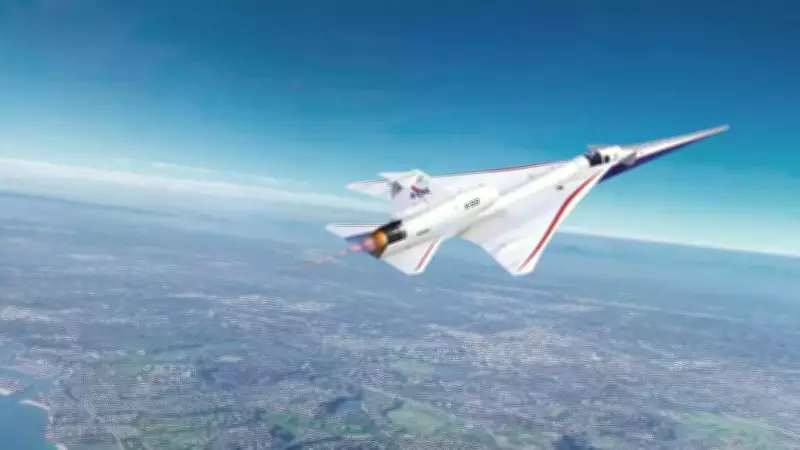
In a groundbreaking effort to transform aviation, NASA's Quesst mission is centered around the experimental X-59 aircraft, designed by Lockheed Martin. This innovative plane is set to fly at speeds of Mach 1.4, approximately 925 miles per hour, with a key objective: to generate a significantly quieter sonic thump rather than the traditional, window-rattling sonic boom that has long restricted supersonic travel over land.
Redefining Sonic Booms for Global Aviation
The primary goal of the X-59 is to demonstrate that supersonic aircraft can operate without the disruptive noise associated with conventional models. When standard supersonic planes exceed Mach 1, they create multiple shockwaves that merge into loud sonic booms heard on the ground. In contrast, the X-59's unique design—featuring a long, slender 99.7-foot (30.5-meter) frame and a specially tapered nose—prevents shockwave merging, resulting in a much softer acoustic signature known as a 'quiet sonic thump.'
NASA aims to use this data to provide evidence to regulatory bodies like the Federal Aviation Administration (FAA), potentially revolutionizing global regulations that currently ban supersonic flights over land. Success could dramatically reduce travel times across continents, ushering in a new era of faster air travel.

Comprehensive Testing and Community Engagement
Following its inaugural flight at Edwards Air Force Base on October 28, 2026, NASA will embark on an extensive testing phase. The agency plans to conduct 'envelope expansion testing' in March 2026, where the X-59 will be flown at various speeds and altitudes to ensure structural integrity and operational safety at Mach 1.4. This phase is crucial for validating the aircraft's performance under different conditions.
To gather real-world feedback, NASA is actively seeking community input on the perceived noise levels during flights. This data will inform future overflight tests in selected cities, helping the public understand and adapt to the new sonic profile. The agency's commitment to transparency and public involvement underscores its goal of making supersonic travel more acceptable and widespread.
Upcoming Media Briefing and Global Outreach
NASA has scheduled an international media teleconference for March 19, 2026, at 5:30 p.m. EDT, to outline plans for expanding the X-59's flight envelope post-initial testing. The briefing will be accessible via NASA's official digital platforms, including NASA+, the NASA app, their website, YouTube, and X (formerly Twitter). While aimed at media, the event is open to all interested in sonic technology advancements, offering insights into the mission's progress and future steps.
This initiative represents a significant leap in aerospace innovation, with the potential to reshape global aviation norms. By addressing noise concerns and regulatory hurdles, NASA's Quesst mission and the X-59 aircraft could pave the way for quieter, faster supersonic travel, benefiting economies and connectivity worldwide.