

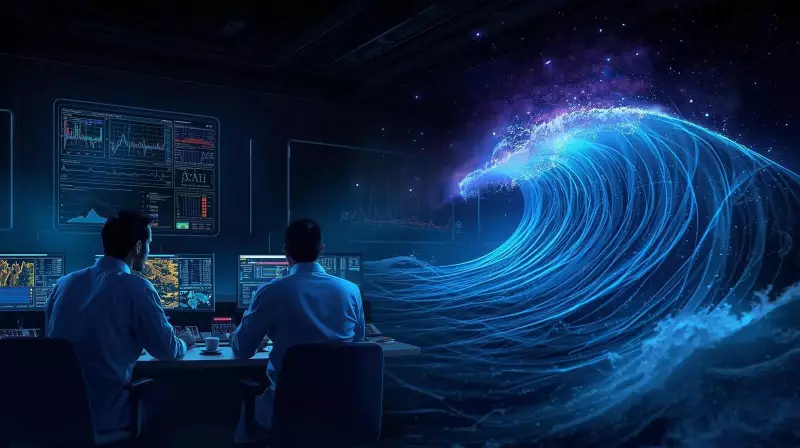
In a significant breakthrough for disaster preparedness, a new NASA system has proven its ability to detect tsunamis from space. The technology, called GUARDIAN, passed its first major real-world test in late July following a powerful earthquake near Russia's Kamchatka Peninsula.
An Unplanned Trial for a New System
The test was almost a matter of chance. A massive magnitude 8.8 earthquake struck beneath the sea off Russia's far eastern coast. This tremor, among the strongest ever recorded, displaced enormous volumes of water, generating a tsunami that raced across the Pacific Ocean. While the waves caused limited damage by the time they reached distant shores like Hawaii, the event created a perfect opportunity.
NASA scientists were watching. Key components of the experimental GUARDIAN (GNSS Upper Atmospheric Real-time Disaster Information and Alert Network) system had come online just a day earlier. As the tsunami moved, it subtly changed the ocean surface over a vast area. This motion pushed air upward, creating pressure waves that traveled high into the ionosphere. There, these waves bent radio signals from global navigation satellites in small, measurable ways.

How GUARDIAN "Listens" to the Ocean from Space
Traditional tsunami warning systems rely on seismic data and ocean-based sensors. GUARDIAN takes a radically different approach. Instead of ignoring the distortions that tsunamis cause in satellite signals, it treats them as vital clues.
The system analyzes data from a global network of over 350 GNSS ground stations. It scans for specific patterns in the upper atmosphere linked to large-scale ocean movements. Within about ten minutes of receiving data, GUARDIAN can produce an atmospheric snapshot. In the Kamchatka event, researchers received notifications within twenty minutes, confirming the tsunami's existence well before waves hit distant coastlines.
This speed is critical. Early confirmation can change everything in a crisis—from evacuation decisions and traffic management to how emergency services mobilize. GUARDIAN does not replace existing tools but fills a crucial gap, offering an independent, space-based perspective that works across international borders.
The Future of Global Tsunami Monitoring
The timing of the Kamchatka event was fortuitous. NASA had just integrated artificial intelligence to help filter signals and a prototype messaging system for rapid alerts. Both were tested under real pressure and performed successfully.
Researchers highlight a key advantage: GUARDIAN can detect a tsunami signature without needing to know its cause. This means it can identify threats triggered not just by earthquakes, but also by underwater landslides or volcanic activity—a vital flexibility in our changing climate.
This development marks a shift toward more integrated, global disaster monitoring. Data from space observes the entire planet without regard for political boundaries, much like the tsunamis themselves. The true value of systems like GUARDIAN may lie in fostering shared awareness and providing that precious head start, leaving communities better informed to make life-saving decisions.






