Iran Reportedly Decides to Close Strait of Hormuz Amid Escalating Gulf Tensions
In a move that could significantly impact global energy markets and regional stability, Iran has reportedly decided to close the Strait of Hormuz, according to a recent report. This decision comes as tensions in the Gulf region continue to rise, with geopolitical conflicts and strategic maneuvers intensifying.
Critical Global Oil Chokepoint at Risk
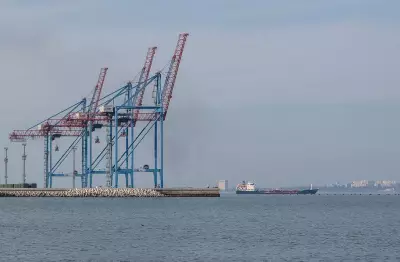
The Strait of Hormuz is a narrow waterway located between the Persian Gulf and the Gulf of Oman, serving as a vital maritime passage for the transportation of oil. It is considered one of the world's most important oil chokepoints, with approximately one-fifth of the global oil supply passing through it daily. The closure of this strait could lead to severe disruptions in oil shipments, potentially causing spikes in global oil prices and affecting economies worldwide.
This strategic decision by Iran underscores the heightened geopolitical risks in the Middle East. The region has been a hotspot for conflicts and power struggles, with various nations vying for influence and control over key resources. Iran's reported move to close the strait is seen as a response to increasing pressures and threats from other regional and international actors.

Implications for Global Energy Security
The potential closure of the Strait of Hormuz raises serious concerns about global energy security. Countries heavily reliant on oil imports from the Gulf, including many in Asia and Europe, could face supply shortages and economic challenges. Energy analysts warn that such an action could trigger a chain reaction, leading to increased volatility in financial markets and heightened tensions among nations.
International reactions to this development are likely to be swift and significant. Key global powers, including the United States and European Union, have historically monitored the situation in the Strait of Hormuz closely, given its importance to international trade and energy flows. Diplomatic efforts and military posturing may intensify as stakeholders seek to prevent a full-scale closure and mitigate its impacts.
Background of Rising Tensions in the Gulf
Tensions in the Gulf region have been simmering for years, driven by a complex web of political, economic, and security issues. Factors contributing to the current escalation include:
- Ongoing conflicts and proxy wars involving regional powers.
- Disputes over nuclear programs and sanctions.
- Competition for control over maritime routes and resources.
- Historical animosities and strategic rivalries among Gulf states.
Iran's decision to close the Strait of Hormuz, if implemented, could mark a significant escalation in these tensions. It may be viewed as a strategic leverage point for Iran in negotiations or as a defensive measure against perceived threats. However, such a move also carries the risk of provoking military responses and further destabilizing the region.
Potential Outcomes and Future Scenarios
As the situation unfolds, several potential outcomes could emerge:
- Diplomatic Resolutions: International mediation efforts might lead to a de-escalation, with Iran reconsidering its decision in exchange for concessions or assurances.
- Military Confrontations: If the strait is closed, it could trigger naval standoffs or conflicts, involving regional and global military forces.
- Economic Impacts: Global oil prices could surge, affecting inflation and economic growth in oil-importing nations, while oil-exporting countries might benefit from higher revenues.
- Regional Realignments: Alliances and partnerships in the Middle East could shift, as countries reassess their security and economic strategies in response to the crisis.
In conclusion, Iran's reported decision to close the Strait of Hormuz highlights the fragile state of affairs in the Gulf and its far-reaching implications. Stakeholders around the world are closely watching developments, as the outcome could reshape geopolitical dynamics and global energy markets in the coming months.