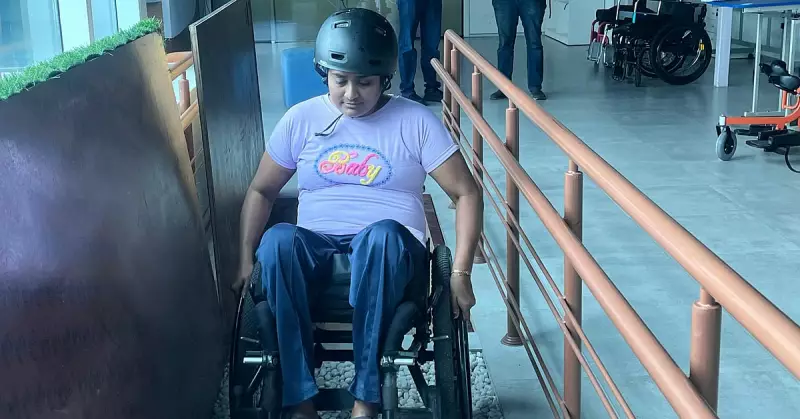
In a significant stride towards inclusive innovation, the research and development initiatives at R2D2 are translating laboratory breakthroughs into tangible tools that empower individuals with disabilities across India. The organization's core philosophy, as articulated by its leadership, places the user at the very heart of technological creation.
The User-Centric Philosophy Driving Innovation
Ashish Jebin, the Lead for Research and Development at R2D2, emphasized that their fundamental approach is built on deeply understanding and catering to the specific needs of the end-user. The process begins by meticulously identifying the real-world problem statements faced by people with disabilities, rather than developing technology in isolation. This ensures that the final products are not just technologically advanced but are practical, accessible, and truly life-changing solutions.
From Conceptual Designs to Real-World Impact
The focus on a user-centric design methodology means that every device developed undergoes rigorous iteration based on direct feedback from the community it aims to serve. The goal is to move beyond theoretical prototypes and create robust, affordable, and easy-to-use assistive devices that seamlessly integrate into daily life. This bridge between advanced research labs and the lived experiences of individuals is where R2D2's work is making a profound difference.

Marking a Milestone in Assistive Technology
The insights from R2D2's leadership were highlighted in a report dated 20 December 2025. This underscores a growing movement within India's tech-for-good sector, where empathy and engineering converge. The organization's work represents a critical shift in how assistive technology is conceived and deployed, prioritizing dignity, independence, and empowerment for the disabled community.
The impact of such an approach is multifaceted. It leads to the development of customized solutions that address specific challenges in mobility, communication, and daily tasks. Furthermore, it fosters a sense of agency among users, who are active participants in the design process rather than passive recipients of aid. As these breakthrough devices move from labs to lives, they pave the way for a more inclusive society where technology acts as a great equalizer.