

The Evolution of Mechanical Engineering in the Era of Smart Manufacturing
The field of mechanical engineering is undergoing a profound transformation, driven by the rapid adoption of smart manufacturing technologies. This shift is not only reshaping industrial processes but also fundamentally altering educational curricula to prepare the next generation of engineers for a digitally integrated world.
Key Technological Drivers in Smart Manufacturing
At the heart of this evolution are several cutting-edge technologies that are redefining traditional manufacturing paradigms. The Internet of Things (IoT) enables real-time monitoring and data collection from machinery, enhancing operational efficiency and predictive maintenance. Artificial Intelligence (AI) and machine learning algorithms analyze vast datasets to optimize production lines, reduce waste, and improve quality control. Robotics and automation systems are increasingly deployed for tasks ranging from assembly to logistics, boosting productivity and safety in industrial settings.
Impact on Educational Institutions and Curricula
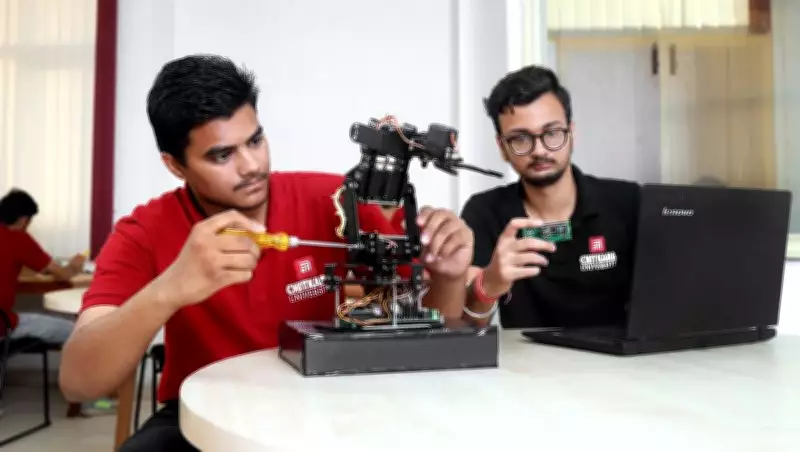
Educational institutions are actively responding to these industry changes by updating their mechanical engineering programs. There is a growing emphasis on interdisciplinary learning, where students are exposed to computer science, data analytics, and cybersecurity alongside core mechanical principles. Hands-on training with smart manufacturing tools, such as 3D printers, CNC machines, and simulation software, is becoming a standard part of the curriculum. Universities are also forging stronger partnerships with industry leaders to provide internships and collaborative projects, ensuring graduates possess the practical skills demanded by modern employers.

The concept of Industry 4.0, characterized by cyber-physical systems and digital twins, is central to this transformation. Mechanical engineers are now expected to design and manage interconnected systems that leverage cloud computing and big data analytics. This integration facilitates smarter decision-making and more agile production processes, enabling companies to adapt quickly to market changes and consumer demands.
Emerging Trends and Future Outlook
Several emerging trends are poised to further influence mechanical engineering and smart manufacturing. Additive manufacturing, or 3D printing, is revolutionizing prototyping and small-batch production, allowing for greater customization and reduced material waste. Sustainable manufacturing practices are gaining traction, with a focus on energy efficiency and circular economy principles. Additionally, the rise of digital twins—virtual replicas of physical assets—enables engineers to simulate and optimize operations before implementation, reducing risks and costs.
Challenges and Opportunities:- Skill Gaps: There is a pressing need to bridge the gap between traditional engineering knowledge and new digital competencies, requiring continuous professional development and upskilling initiatives.
- Cybersecurity Concerns: As manufacturing systems become more connected, protecting against cyber threats is critical, necessitating robust security measures and trained personnel.
- Global Competitiveness: Countries and companies that effectively integrate smart technologies are likely to gain a competitive edge, driving innovation and economic growth.
In conclusion, the convergence of mechanical engineering with smart manufacturing is creating a dynamic landscape full of opportunities for innovation. By embracing these trends, both educational institutions and industries can foster a workforce equipped to tackle the challenges of the future, ensuring sustained progress and technological advancement.






