

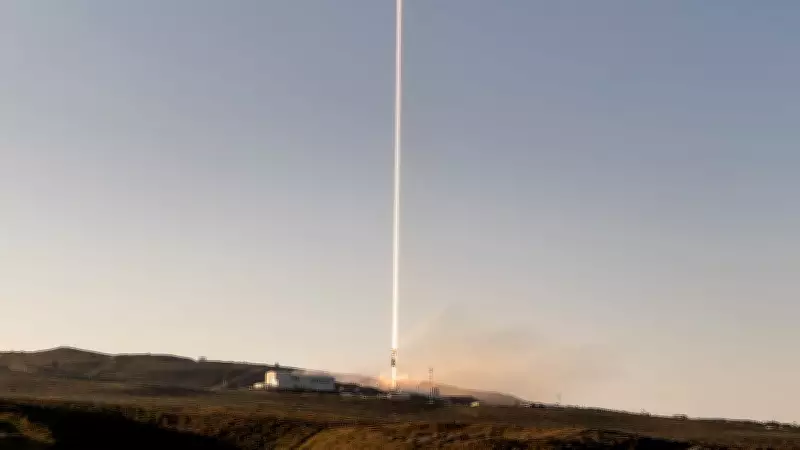
SpaceX Temporarily Grounds Falcon 9 Fleet After Second Stage Malfunction
In a significant development for the global space industry, SpaceX has announced an immediate pause on all Falcon 9 rocket launches. This decision comes in the wake of a technical anomaly detected in the rocket's second stage during a recent mission. The grounding affects numerous planned flights, including satellite deployments and crewed missions, underscoring the critical nature of the issue.
Details of the Technical Glitch
The problem was identified during a routine post-flight analysis, where engineers observed irregularities in the performance of the second stage. This component is crucial for propelling payloads into their intended orbits after the initial boost phase. While specific details about the malfunction remain under investigation, sources indicate it involves potential propulsion or structural concerns that could compromise mission success if unaddressed.
SpaceX has a history of rigorous safety protocols, and this proactive grounding reflects their commitment to reliability. The company is now conducting a thorough review, involving data from telemetry and onboard sensors, to pinpoint the root cause. This pause is expected to last until corrective measures are implemented and verified, potentially delaying key launches by weeks or months.

Impact on Global Space Operations
The Falcon 9 is a workhorse for modern spaceflight, responsible for a majority of commercial and governmental launches worldwide. Its grounding has immediate repercussions:
- Satellite deployments for communication and Earth observation are now on hold.
- Crewed missions to the International Space Station (ISS) may face rescheduling.
- Scientific payloads and technology demonstrations are experiencing delays.
This incident highlights the fragility of space logistics and the importance of robust engineering in an era of increasing launch frequency. Competitors and partners in the space sector are closely monitoring the situation, as any prolonged disruption could affect global supply chains for space-based services.
Historical Context and Future Steps
SpaceX has faced similar challenges in the past, such as the 2016 Falcon 9 explosion, which led to enhanced safety measures. The current issue is less severe but underscores the ongoing risks in rocket science. The company plans to:
- Conduct detailed inspections of existing Falcon 9 hardware.
- Implement design modifications or software updates if necessary.
- Resume flights only after comprehensive testing and regulatory approvals.
In the meantime, customers and space agencies are adjusting their schedules, while the industry watches for updates. This grounding serves as a reminder of the technical precision required in space exploration, even for a leader like SpaceX.






