

Spanish Satellite KID Defies Odds, Survives Failed ISRO PSLV Launch
ISRO's PSLV-C62 launch vehicle experienced a critical failure on Monday. The third phase of the mission malfunctioned, causing the loss of fifteen satellites from various countries and Indian companies. The primary payload was among those lost in this unfortunate event.
Against All Odds: KID's Remarkable Survival
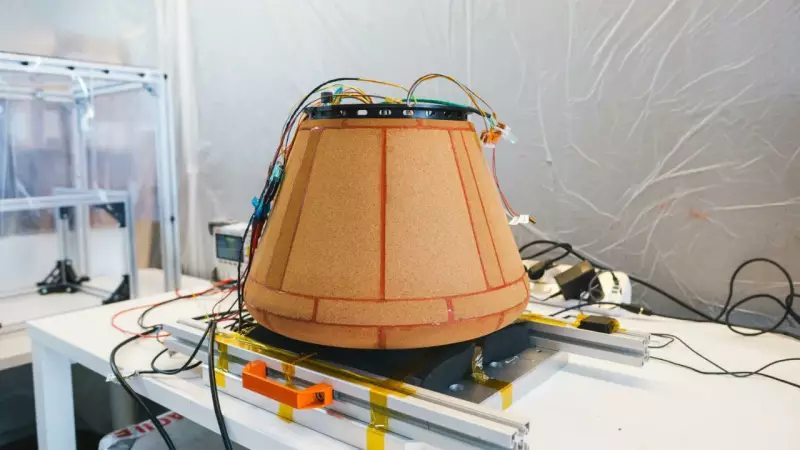
Despite the catastrophic failure, one satellite managed to survive against all expectations. A Spanish satellite named KID, short for Kestrel Initial Demonstrator, separated successfully from the rocket's fourth stage. This football-sized satellite transmitted crucial data back to Earth for approximately three minutes before going silent.
Orbital Paradigm, the company that developed KID, confirmed this remarkable achievement on social media platform X. They stated that their KID capsule separated from PSLV C62, switched on properly, and transmitted valuable data despite the mission's overall failure.

Designed for Extreme Conditions
The 25-kilogram KID satellite was specifically designed for re-entry testing. Its intended destination was a splashdown in the South Pacific Ocean. During its brief operational period, the satellite endured extreme conditions that would destroy most experimental hardware.
Orbital Paradigm reported that KID survived peak deceleration forces and thermal stresses. The company recorded peak g-loads reaching approximately 28g and successfully monitored internal temperatures during the critical phase.
"We're currently reconstructing the trajectory data," the company stated. "Our satellite survived both peak heat and peak g-load conditions. We have collected internal temperature readings and will release a full report soon."
Technological Significance and Future Implications
KID represents an important technological validation for Orbital Paradigm. Developed in partnership with French company RIDE, this satellite tests reusable re-entry technology. Such technology is crucial for future satellite servicing missions and controlled de-orbiting operations.
The startup now plans to accelerate its Kestrel full-scale development program based on data collected during this mission. While the overall launch failed, KID's partial success provides valuable insights for space technology development.
ISRO's Statement on the Failed Mission
ISRO Chairman V Narayanan addressed the failure on Monday. He explained that near the end of the third stage, controllers observed disturbances in the vehicle. These disturbances caused a deviation from the planned flight path, preventing the mission from proceeding as expected.
"The mission could not proceed as expected due to this deviation," Narayanan stated. Following this announcement, space observers assumed all sixteen satellites were lost, including the primary payload EOS-N1, also known as Anvesha.
EOS-N1 was a hyperspectral earth imaging satellite developed by DRDO for national security and surveillance purposes. Its loss represents a significant setback for India's space and defense programs.
KID's Fate Remains Uncertain
While KID survived long enough to transmit valuable data, its ultimate fate remains unclear. Orbital Paradigm has not yet confirmed whether the capsule burned up during re-entry or successfully splashed down in the ocean as planned.
The company continues to analyze the limited data received during those crucial three minutes of transmission. This information will help determine what happened to the satellite after it stopped communicating with ground stations.
This failed PSLV mission highlights both the challenges of space exploration and the remarkable resilience of modern satellite technology. While fifteen satellites were lost, KID's brief survival demonstrates that even in failure, valuable scientific data can be obtained.






