US Unveils Ambitious Space Nuclear Power Strategy Following Artemis-2 Mission
Just three days after the triumphant splashdown of the Artemis-2 mission, the Trump administration has taken a monumental step forward in space exploration policy. On Tuesday, a significant memorandum was issued, outlining a bold national initiative to deploy nuclear reactors in space, with ambitious timelines set for the late 2020s and early 2030s.
National Initiative For American Space Nuclear Power
Dated April 14, the document titled "National Initiative For American Space Nuclear Power" was formally issued by Michael J. Kratsios, who serves as the assistant to the President for science and technology and director of the office of science and technology policy. This strategic blueprint firmly declares that the "United States will lead the world in developing and deploying space nuclear power for exploration, commerce and defence."
The memorandum emphasizes a collaborative approach, stating that agencies will "establish cost-effective partnerships with private sector innovators to meet near-term objectives." This public-private model is designed to accelerate technological advancements while managing budgetary constraints effectively.

Specific Timelines and Power Requirements
The initiative sets forth concrete deadlines and technical specifications:
- Orbital Deployment: The plan calls for safely deploying nuclear reactors in space orbit as early as 2028.
- Lunar Deployment: Reactors are targeted for installation on the moon by 2030.
- NASA's Immediate Action: Within 30 days of the memorandum, NASA must initiate a program to develop a mid-power space reactor, including a lunar fission surface power variant ready for launch by 2030.
- Power Specifications: These mid-power reactors are designed to provide 20 kilowatts of electricity for at least three years in orbit and five years on the lunar surface.
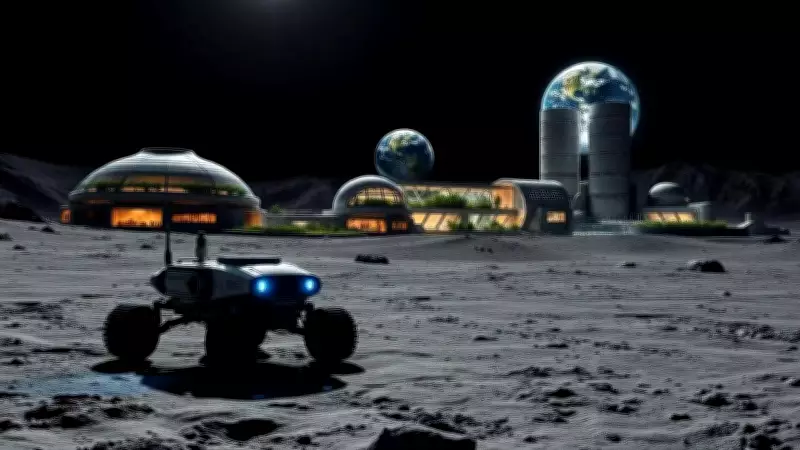
The extended operational life on the moon is particularly significant as the United States is actively planning for a permanent human settlement on the lunar surface, requiring reliable and sustained power sources beyond what solar energy can provide during extended lunar nights.
Strategic Framework and International Context
The White House memorandum outlines a comprehensive strategy: "The overall strategy for the initiative is to conduct parallel and mutually-reinforcing NASA and Department of War design competitions to enable near-term demonstration and use of low to mid-power space reactors in orbit and on the lunar surface and prepare to deploy high-power reactors in the 2030s."
This space-nuclear initiative is widely perceived as a strategic move to maintain technological superiority over global competitors, particularly China. The document emphasizes close coordination between participating agencies to maximize cost effectiveness while minimizing technical and schedule risks. This includes streamlining regulatory processes and requirements for:
- Reactor development
- Testing protocols
- Transportation and launch procedures
- Reactor and radiator design specifications
Broader Implications for Space Exploration
The initiative has far-reaching implications for future space missions. The memorandum specifically notes that nuclear electric propulsion and fission surface power could be advanced through this program, while simultaneously laying the groundwork for nuclear thermal propulsion systems. These propulsion technologies are considered essential for future crewed missions to Mars, offering potentially faster transit times and greater payload capacities compared to conventional chemical propulsion.
The U.S. Department of Energy will play a crucial supporting role in the development and implementation of these space nuclear power systems, bringing decades of nuclear expertise to the ambitious space exploration agenda.
This announcement represents a significant escalation in the technological race for space dominance, positioning nuclear power as a cornerstone of America's long-term exploration strategy from lunar settlements to Martian expeditions.