

Wooden Satellites: A Sustainable Answer to Growing Space Pollution Threat
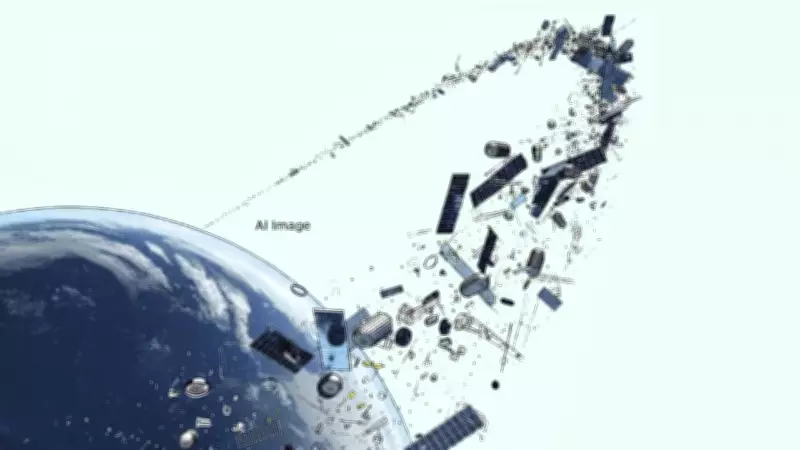
The rapid expansion of space exploration and satellite deployment is creating an invisible environmental crisis in Earth's upper atmosphere. As thousands of satellites reach the end of their operational lives and burn up during re-entry, they release toxic chemicals that persist for decades, posing significant risks to our planet's protective ozone layer.
The Hidden Danger of Traditional Satellite Materials
Most contemporary satellites orbiting Earth contain substantial amounts of aluminium within their structural components. When these spacecraft eventually decay and disintegrate in the atmosphere, they deposit large quantities of aluminium oxide particles directly into the mesosphere. This critical atmospheric layer, situated approximately 50 to 85 kilometers above Earth's surface, becomes contaminated with compounds that can catalyze ozone destruction.
The problem is particularly concerning because aluminium oxide lingers in the mesosphere for multiple decades, creating a slow but persistent form of pollution that accumulates over time. With satellite mega-constellations multiplying at an unprecedented rate, this environmental impact is projected to grow exponentially in coming years.

Innovative Materials Offer Promising Solutions
Space researchers and environmental scientists are now exploring alternative materials that could dramatically reduce this atmospheric contamination. Wood has emerged as one particularly promising candidate for future satellite construction. Unlike aluminium, wooden components would burn up completely during atmospheric re-entry without leaving toxic metallic residues behind.
"Exploring materials like wood represents a significant step in the right direction for sustainable space technology," explains astrophysicist Varun Bhalerao from IIT Bombay. "This approach addresses a pollution problem that has remained largely invisible to the public but carries serious long-term consequences for our atmosphere."
Comprehensive Green Space Technology Initiatives
The development of wooden satellites is not an isolated effort within the space industry. Multiple organizations worldwide are working on complementary technologies to reduce the environmental footprint of space exploration:
- Manastu Space, a startup founded by IIT Bombay alumni, is developing environmentally friendly propulsion systems designed to eliminate toxic propellants from satellite thrusters
- Research institutions are investigating biodegradable components and non-toxic materials for various spacecraft systems
- Space agencies are implementing more stringent environmental guidelines for satellite design and disposal
These innovations represent exactly the type of forward-thinking solutions needed as humanity's presence in space continues to expand. The rapid growth of space exploration has delivered enormous scientific, technological, and economic benefits, but it has come with environmental costs that researchers are only beginning to fully understand and address.
The Urgent Need for Sustainable Space Practices
As satellite constellations grow from hundreds to potentially tens of thousands of individual spacecraft, the cumulative impact of traditional satellite materials becomes increasingly concerning. The transition to sustainable materials like wood represents more than just an interesting technological experiment—it may prove essential for maintaining the long-term health of Earth's upper atmosphere.
The development of wooden satellites and other green space technologies demonstrates that environmental responsibility can and should extend beyond our planet's surface. By addressing pollution at its source—through innovative material choices and sustainable design principles—the space industry can continue to expand while minimizing its impact on the very atmosphere that makes life on Earth possible.






