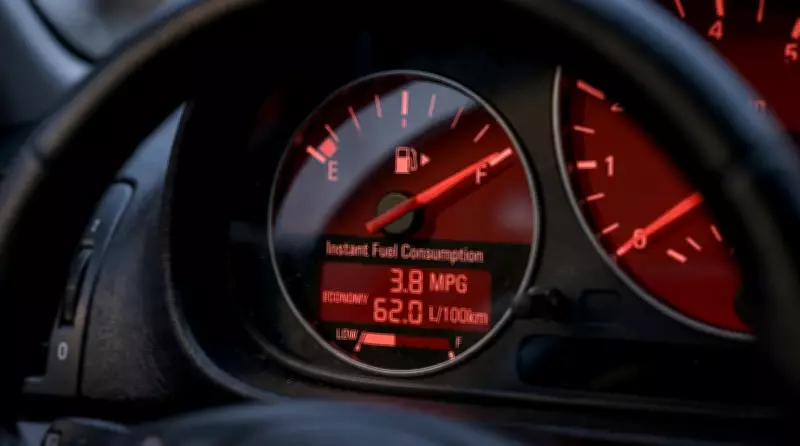
Gas prices in the United States have been challenging over the past few years, particularly for millennials and young adults striving to make every dollar count. Many have already calculated the cost of their daily commute, switched to rewards credit cards for gas, or consolidated errands into single trips. While these are smart moves, there is a surprisingly simple fix that most drivers overlook—one that has been sitting right on top of their car the entire time.
If you have a roof rack or roof box that you are not using, removing it could improve your car's fuel efficiency by up to 12 percent. Yes, that is accurate. That crossbar setup you installed for a camping weekend last fall has been quietly draining your gas budget ever since.
The Science Behind Roof Racks and Fuel Consumption
Research clearly demonstrates the impact of roof racks on fuel economy. A study titled Fuel Consumption Impacts of Auto Roof Racks found that roof racks are responsible for roughly 100 million gallons of excess gasoline consumption by the U.S. light-duty vehicle fleet. This is not a minor rounding error; it represents a national-scale fuel problem strapped to the roofs of everyday commuters.

At the individual vehicle level, the same study reported fuel consumption penalties ranging from 0 to 25 percent for passenger cars, depending on rack configuration and driving speed. An empty rack on the highway still costs you about 1 percent in fuel economy. Load it up with gear, and that number can reach 25 percent at 70 miles per hour. Another study published in the SAE International Journal of Passenger Cars found that adding a rooftop cargo box to a Toyota Corolla increased fuel consumption by 8.8 percent in city driving cycles and by a staggering 20.8 percent in highway cycles. Even an SUV, such as a Ford Explorer, experienced a 6.2 percent highway penalty. Smaller, lighter cars are always hit harder. Researchers also noted that removing empty racks is a more effective fuel-saving strategy than purchasing aerodynamic ones.
Why Your Roof Rack Acts Like a Fuel Tax
The primary culprit is aerodynamic drag. Anything you place on top of your car disrupts the airflow that the vehicle was designed to cut through efficiently. The faster you drive, the greater the drag, forcing your engine to work harder to overcome resistance. This is why highway driving suffers the biggest efficiency hit. If you spend significant time on the freeway, whether for your daily commute or frequent road trips, an unused roof rack is quietly working against you the entire time. Even city driving is not entirely free from the drag penalty.
Another factor to consider is weight. Every additional 100 pounds of cargo reduces fuel economy by about 1 percent. Compact and mid-size cars, which are popular among younger drivers, are more affected by excess weight than larger vehicles. That roof box you left loaded with old camping gear is not just heavy on your roof; it is also heavy on your efficiency.
Don't Forget to Check Your Trunk
Once you have addressed the roof rack, it is worth inspecting what has accumulated in your trunk. A gym bag you never bring inside, a bag of returns you keep forgetting to drop off, or a spare set of tools from a move two years ago all add unnecessary weight. One of the easiest ways to shed unwanted pounds from your car is to remove junk from your trunk.
The Bigger Picture for a Generation That Cares About Money and Miles
Fuel efficiency is not a luxury for millennials and young adults grappling with student loans, high rent, and fluctuating gas prices. It is a financial strategy. The good news is that one of the most impactful adjustments you can make costs nothing—just about ten minutes in your driveway. Remove the rack and store it in the garage until you are ready to use it. Your car may not say thank you, but your gas bill will certainly notice.