Creepy crawlers such as snakes and lizards often appear in your bathroom, leaving you terrified. Understanding why these reptiles slither into your home is essential. Even if you keep your bathroom spotless, reptiles can climb up through drains due to plumbing faults like uncovered household drains and sewer pipes. These outlets provide an easy pathway for unwanted visitors. Some reptiles are excellent swimmers and climbers, making the journey from underground city sewers to your bathroom easier than you might think. Below are the creatures most likely to make this journey and how they do it.
Snakes
Snakes are the most common reptiles found in home plumbing systems. Their long, legless bodies are perfectly designed for squeezing through tight, dark, and winding spaces like sewer lines. Most snakes are natural swimmers and can hold their breath underwater for surprisingly long periods. Being cold-blooded, they constantly search for cool, damp places in the heat of summer, and damp sewer pipes fit the bill perfectly. Once inside the pipes, they can easily navigate the U-bend or P-trap of your toilet. This bend is designed to hold water to block sewer gases, but a snake can swim right through this small water barrier and emerge directly into your toilet bowl.
Rats
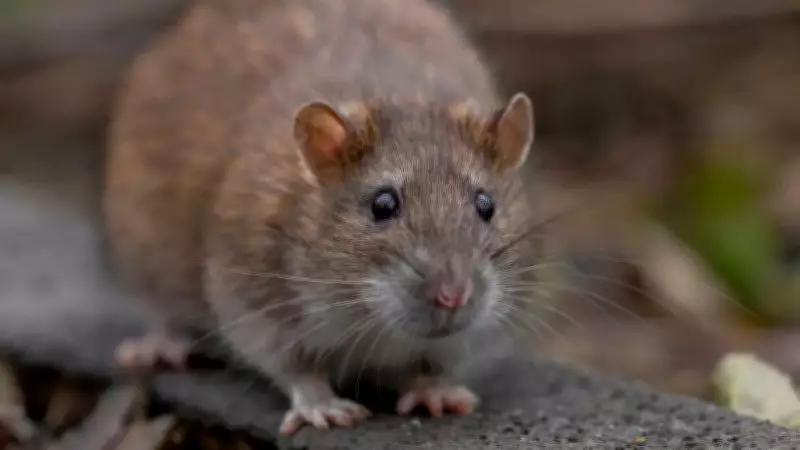
While rats are mammals and not reptiles, they play a major role in why snakes enter sewers. Sewers are notoriously filled with rats, which are a primary food source for many snake species. A hungry snake will easily follow the scent of a rodent deep into a sewer line. After finishing its meal, the snake continues exploring the dark pipe system in search of an exit, which often leads it straight up the drainpipes of an unsuspecting household.

Monitor Lizards
In warmer climates and tropical regions, various lizard species are notorious for using drainage systems to enter homes. Small and larger monitor lizards are highly adaptable and incredibly strong. Unlike snakes, lizards have sharp claws and grippy feet, allowing them to easily scale the rough vertical interior walls of brick sewers and concrete drainage pipes, climbing upward toward residential bathroom grates. If a shower or floor drain lacks a secure, screwed-down cover, a small lizard can squeeze through the gaps. Once inside, they seek out warm spots behind appliances or inside walls.

Simple Ways to Block These Crawlers
- One-Way Valve: Hire a plumber to install a non-return valve in your main sewer line. This valve lets waste go out but prevents animals from coming back in through the sewer.
- Removing Vegetation: Keep bushes and trees around your home trimmed. Snakes can climb trees and get onto your roof, then enter vents leading to your plumbing system. Regular trimming reduces this risk.