Apple's iPhone Launch Strategy Faces Major Shifts Amid Global Supply Chain Challenges
Apple's product roadmap appears to be undergoing significant adjustments as the tech giant navigates complex global supply chain challenges. According to a recent report from Nikkei Asia, the company may delay several anticipated iPhone launches, including the second-generation iPhone Air and the standard iPhone 18 model, pushing their releases to 2027 instead of the expected 2026 timeframe.
iPhone Air 2 Launch Likely Postponed
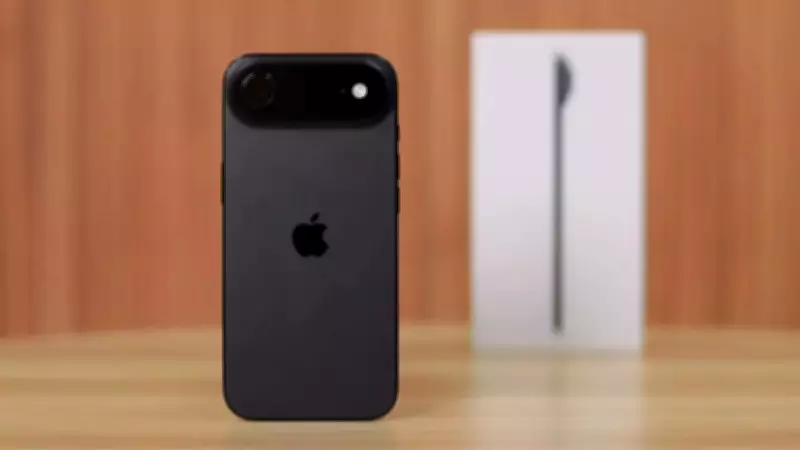
The original iPhone Air, launched alongside the iPhone 17 series in September last year, made headlines with its remarkably slim 5.6mm profile, earning the distinction of being Apple's thinnest iPhone ever. However, consumers eagerly awaiting an upgraded version may need to exercise patience. Nikkei Asia reports that Apple is unlikely to introduce a second-generation iPhone Air in 2026, despite having at least five new iPhone models in development.
These upcoming models reportedly include:

- A revamped iPhone Air maintaining its ultra-thin design
- The standard new iPhone model
- Three premium iPhone variants
The report clarifies that while these models are in the pipeline, shipments of the iPhone Air are not expected to commence in 2026, leaving the exact launch timeline uncertain.
iPhone 18 Also Faces Potential Delay
The postponement may extend beyond the iPhone Air series. According to sources familiar with Apple's plans, the company might skip a 2026 launch for the iPhone 18 entirely, rescheduling its debut for 2027. This strategic shift reportedly stems from Apple's decision to prioritize premium iPhone models in 2026, a move influenced by the ongoing global memory chip shortage affecting the entire consumer electronics industry.
Apple's 2026 launch strategy is said to focus on:
- Delivering its first-ever foldable iPhone
- Launching two Pro models in the second half of 2026
- Postponing the standard iPhone 18 to the first half of 2027
Supply Chain Constraints Drive Strategic Changes
The report cites four individuals with direct knowledge of Apple's plans who indicate that supply chain challenges and marketing strategy adjustments are primary factors behind these launch delays. An executive from an iPhone supplier, speaking anonymously, explained that "supply chain smoothness is one of the key challenges for this year, and the marketing strategy change also played a part in the decision to prioritize premium models."
Apple appears to be feeling the impact of soaring memory prices across the industry. To minimize potential production disruptions, the company is implementing measures to maintain operational stability. Earlier reports from Nikkei Asia highlighted that the entire tech supply chain, particularly in consumer electronics, faces mounting pressure due to shortages of memory chips and various essential materials.
Broader Industry Impact
Apple is not alone in adjusting its production forecasts. Several Chinese smartphone manufacturers, including industry leaders like Xiaomi, Oppo, Vivo, and Transsion, have reportedly lowered their shipment projections for the year. This industry-wide trend underscores the significant challenges facing global electronics manufacturing as companies navigate material shortages and logistical constraints.
The Cupertino-based company's apparent shift toward prioritizing premium models in 2026 suggests a strategic response to both market conditions and supply limitations. While this may disappoint consumers anticipating more affordable options, it reflects Apple's adaptation to the complex realities of global manufacturing and component availability in the post-pandemic era.