Google Pixel 10a Review: A Polished and Familiar Smartphone Experience
Priced at Rs 49,999, the Google Pixel 10a adopts a safe and familiar strategy rather than pursuing major upgrades. It retains a recognizable look and feel, featuring Google’s Tensor G4 processor, a dual-camera setup, and a 6.3-inch 120Hz OLED display. Simultaneously, Google has introduced subtle yet significant enhancements, including improved durability with Gorilla Glass 7i, a larger 5,100mAh battery, and a commitment to seven years of software updates. After extended use, it becomes evident that the Pixel 10a is more of a polished iteration than a revolutionary change.
What Truly Stands Out: Software and AI Integration
What truly distinguishes the Pixel 10a is Google’s unwavering focus on software. Running on Android 16 with new AI-driven features, the device feels smarter and more refined in daily operations, even as the hardware remains largely unchanged. However, the critical question remains: is this sufficient in 2026? Let’s delve into the details to find out.
Design and Display: Refined and Practical
We already appreciated the Pixel 9a’s design, so it’s no surprise that the Google Pixel 10a’s aesthetics are equally pleasing. At first glance, it appears very similar, but upon closer inspection, small modifications enhance everyday usability.

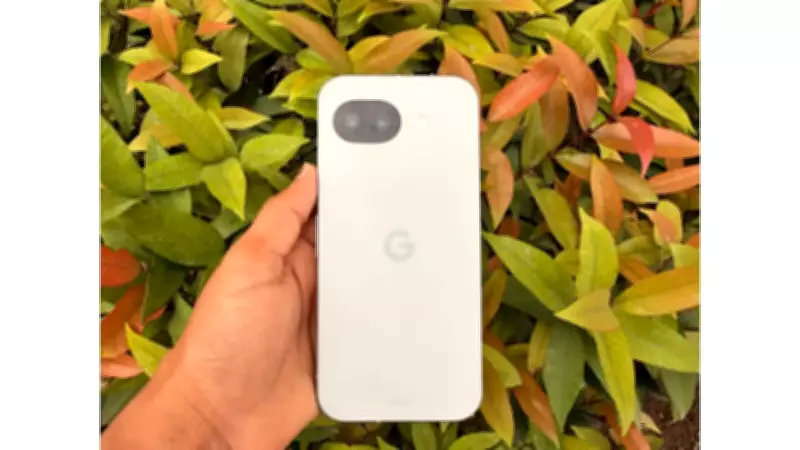
The most notable alteration is the camera design. Google has flattened it, resulting in a completely even back surface. This eliminates wobbling when placed on a table—a minor yet annoying issue with the previous model. While this may seem like a small adjustment, in practical use, it contributes to a more stable and user-friendly experience. Additionally, the flat design prevents the phone from feeling bulky in hand. In fact, we found it quite comfortable to hold, with a well-balanced weight and a clean matte finish that resists fingerprints.
The color options—Lavender, Berry, Obsidian, and Fog—add a touch of personality, standing out in a market saturated with similar-looking devices. We reviewed the Fog variant, which features a muted green tone, and were particularly fond of it.
Other subtle changes include a relocated SIM tray and a more symmetrical speaker grille design. Overall, the phone exudes a more refined feel than its predecessor.
On the front, the display remains largely unchanged, featuring a 6.3-inch OLED panel with a 120Hz refresh rate. In daily use, it appears sharp and smooth. The bezels, while still noticeable, are slightly slimmer than before and become less conspicuous over time.
Brightness has been improved, aiding outdoor visibility. Colors look good, though the screen may initially seem slightly dull. We recommend switching to the Natural color mode and manually enabling the 120Hz refresh rate for optimal display quality.
A useful upgrade is the inclusion of Gorilla Glass 7i, offering enhanced durability compared to older protections. The phone also boasts an IP68 rating, ensuring resistance to dust and water.
Camera: Consistent and Reliable Performance
The Google Pixel 10a does not introduce new camera hardware, but this doesn’t pose a problem in daily use. It retains the same 48MP main camera and 13MP ultra-wide lens on the rear, a setup that remains highly reliable for its price point.
In good lighting conditions, we consistently captured sharp and clean photos. Colors appear natural rather than overly saturated, a hallmark of Pixel phones. If you prefer images that closely resemble real life, you’ll likely appreciate the output here. The dynamic range is robust, effectively handling bright skies and darker areas in most scenarios. For everyday photography—such as people, food, and street scenes—the camera rarely disappoints. We often found ourselves simply pointing and shooting, with results that were typically good enough for immediate sharing.
However, it’s not without flaws. In low-light situations, the camera can occasionally struggle, losing some detail. Zooming beyond 2x results in a more noticeable decline in quality, highlighting the absence of a dedicated telephoto lens.

Google continues to heavily rely on software, offering useful features like Camera Coach, which provides guidance during photo capture, and Best Take, which enhances group shots by combining multiple images. These tools are particularly beneficial for casual users.
Overall, the Pixel 10a delivers a camera experience that is straightforward, consistent, and trustworthy.
Performance: Smooth and Optimized for Daily Tasks
The Google Pixel 10a is powered by the company’s Tensor G4 chipset, also used in last year’s Pixel 9a. In daily use, it provides a smooth and reliable performance, with no major issues encountered during routine tasks.
For regular activities like scrolling through social media, browsing, watching videos, and switching between apps, the phone feels fast and stable. Apps open quickly, and the overall experience is clean, thanks to Google’s software optimization. We observed minimal lag or stutter in day-to-day operations.
Nevertheless, this is not a device designed for heavy gaming or intensive workloads. When subjected to demanding games or extended sessions, performance was adequate but not exceptional. It gets the job done, yet it’s clear that it isn’t intended to compete with flagship-level power.
The true strength lies in the software. Running on Android 16, the Pixel 10a offers a simple, clean interface free from unnecessary apps. Everything feels well-integrated, with features like call screening, voice typing, and smart suggestions adding tangible value to daily use.
Google’s promise of up to seven years of software updates is a significant advantage, ensuring the phone remains secure and updated over an extended period. This makes it an excellent choice for users who do not frequently upgrade their devices.
Battery Life: Reliable and Efficient
The Pixel 10a is equipped with a 5,100mAh battery, capable of lasting a full day on a single charge without concern. It takes approximately 50 minutes to charge fully. Fast charging support is available, with the device reaching 50% charge in about 30 minutes—a decent rate compared to market competitors.
Wireless charging is also supported, though it is relatively slow. The absence of newer magnetic charging or Qi2 support feels like a missed opportunity.
Verdict: A Solid Choice for Refined Users
The Google Pixel 10a is built on a tried-and-tested formula that has proven effective. It is not a major upgrade, nor does it attempt to be one. Instead, it focuses on refining an already solid foundation—a strategy that works in its favor in many respects.
We appreciated the clean design, the flat back that enhances usability, and a display that performs well after minor adjustments. The cameras remain one of the device’s strongest assets, delivering consistent and natural-looking photos in most conditions. Battery life is dependable, and the promise of seven years of updates adds long-term value.
So, should you consider purchasing it? If you’re using an older Pixel model (pre-dating the Pixel 9a) or switching from a different brand, the Pixel 10a makes considerable sense—especially if you prioritize clean software and a reliable camera experience.