

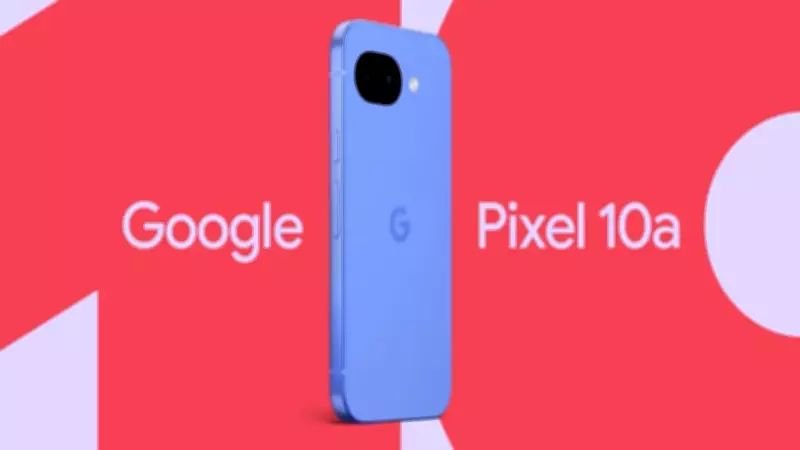
In a strategic move that intensifies the budget smartphone competition, Google has officially teased the upcoming Pixel 10a, a new lower-cost addition to its flagship Pixel 10 series. The announcement came unexpectedly through a YouTube video on Thursday, revealing that the AI-powered device will launch on February 18, 2026.
Pixel 10a Design and Key Features
The short teaser video confirms the Pixel 10a's design, which maintains visual continuity with its predecessor but introduces a significant change to the camera module. Unlike last year's model that featured a raised lip around the pill-shaped camera cutout, the Pixel 10a showcases a completely flush flat dual-camera setup on the rear panel.
While Google has remained tight-lipped about specific hardware specifications, the company emphasizes that the Pixel 10a will bring enhanced artificial intelligence functionality to the budget segment. This positions the device as Google's most affordable gateway to its growing Pixel ecosystem and Gemini AI capabilities.

Strategic Market Positioning
Google's timing appears deliberate, with the Pixel 10a launch scheduled just weeks before Apple is expected to announce its new low-cost iPhone 17e in March. The company is clearly targeting growth in key markets including India, Japan, and the United States through this entry-level offering.
Budget Pixel A-series devices serve a crucial role in Google's strategy, functioning as an accessible entry point that introduces new customers to the Pixel ecosystem. These devices typically receive support for the latest Gemini features, making them Google's least expensive new phones capable of accessing advanced capabilities such as Gemini Live and Circle to Search.
Google's Current Pixel Lineup and Pricing Context
The Pixel 10a will join an established portfolio that currently includes:
- Pixel 10 starting at $799
- Pixel 10 Pro at $999
- Pixel 10 Pro XL with larger display starting at $1,199
- Pixel 10 Pro Fold foldable smartphone starting at $1,799
While last year's Pixel 9a started at $499, industry observers note that Google faces pressure to potentially adjust pricing due to rising RAM costs affecting the entire smartphone sector. The final pricing strategy for the Pixel 10a remains one of the most anticipated aspects of the upcoming launch.
AI as the New Battleground
For smartphone manufacturers, artificial intelligence has emerged as a critical competitive frontier, even though AI features have not yet become primary drivers of smartphone sales. Google's Gemini models are widely regarded as more advanced than Apple Intelligence, the AI feature set powering iPhones, giving the Pixel 10a a potential technological edge in this specific domain.
Pixel smartphones function as strategic funnels for Google's artificial intelligence services and long-term subscription offerings, making each device launch significant beyond immediate hardware sales. The Pixel 10a specifically has the potential to boost Google's market share in regions where consumers increasingly seek premium smartphone experiences at accessible price points.
Competitive Landscape and Industry Context
The Pixel 10a arrives during a particularly competitive period in the smartphone industry. Its February 18 launch precedes not only Apple's anticipated iPhone 17e announcement in March but also Samsung's upcoming Galaxy S26 series debut. This timing creates a fascinating three-way competition in the premium-budget segment.
Google's decision to launch the Pixel 10a earlier than expected suggests the company is proactively positioning itself in markets where price sensitivity and AI capabilities are becoming increasingly important purchase considerations. The device represents Google's latest attempt to demonstrate how its premium experience compares with that of the iPhone, particularly in the context of artificial intelligence integration.
As the smartphone industry continues to evolve, with manufacturers balancing technological innovation against cost pressures, the Pixel 10a launch will serve as an important indicator of Google's strategy for expanding its hardware presence while showcasing its AI leadership to a broader consumer base.

