Middle East Crisis Extends to Indian Smartphone Industry as Analysts Slash Forecasts
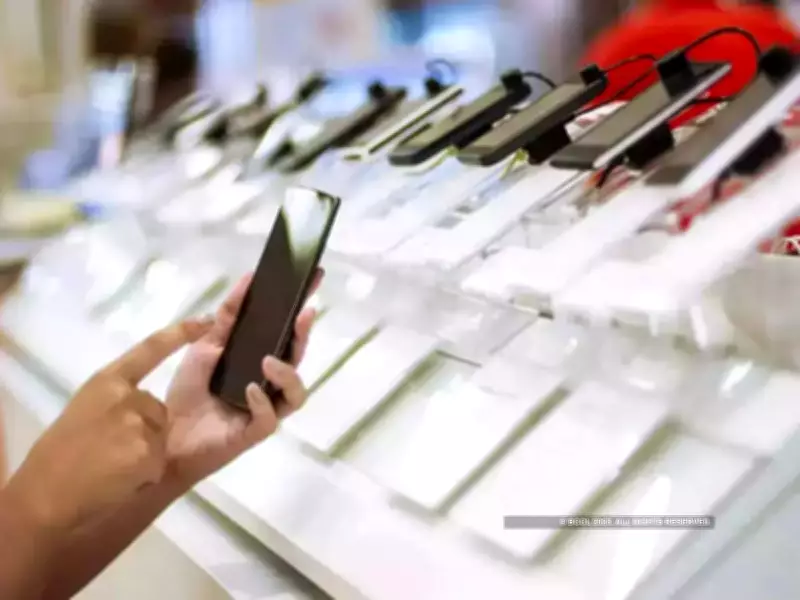
The ongoing Middle East crisis, now entering its fourth week, is beginning to cast a long shadow over key Indian industries, with the smartphone market emerging as one of the first casualties. Research firms have significantly downgraded their shipment projections for 2026, citing a combination of supply chain disruptions and dampened consumer demand directly linked to the geopolitical tensions.
Sharp Downgrades in Smartphone Shipment Forecasts
Analysts have implemented the most substantial cuts to smartphone outlooks since the COVID-19 pandemic. Counterpoint Research has revised its 2026 shipment estimate downward to 139 million units from a previous projection of 142 million. Similarly, Omdia has adjusted its forecast to a range of 142–145 million units, down from an earlier estimate of 148 million.
IDC India has adopted an even more cautious stance, anticipating shipments to plummet to 132 million units in 2026, a stark decline from the 152 million units expected in 2025. These revisions reflect not only the immediate impact of the Middle East conflict but also persistent shortages of critical components like memory and storage chips.

Consumer Demand Under Pressure as Uncertainty Grows
With rising prices for essential goods, consumers are increasingly likely to postpone discretionary purchases, including smartphones. "The Iran-Israel conflict is creating a layer of uncertainty, and in such environments, consumers tend to delay discretionary purchases like smartphones," explained Tarun Pathak, Research Director at Counterpoint Research.
Signs of slowing demand are already evident, particularly in the mass-market segment. Industry experts warn that the situation could deteriorate further in the latter half of the year. "The current market scenario is a bloodbath and the second half of the year will be even worse," stated Upasana Joshi, Research Manager at IDC India.
Supply Chain Disruptions and Rising Production Costs
The sector faces compounded challenges on the supply side. Earlier this year, most brands had already implemented price hikes following a 40–50% surge in memory and storage costs, driven by robust demand from AI data centers. The Middle East tensions are now exacerbating these issues:
- Trade routes have been disrupted, affecting logistics.
- Concerns are mounting over the supply of helium, a vital input for semiconductor manufacturing.
- Qatar, a major helium supplier, has halted gas shipments, possibly due to facility damage.
These factors are expected to drive production costs even higher, which manufacturers may eventually pass on to consumers, further suppressing demand.
Industry Response and Future Outlook
In response to the weakening market, companies are adopting defensive strategies:
- Tightening inventory levels to avoid overstocking.
- Working more closely with retailers to manage supply.
- Offering targeted incentives to stimulate sales.
Rural markets are anticipated to bear the brunt of the impact, as higher oil and logistics costs could affect agricultural output and rural incomes. "The second half of 2026 could be particularly challenging," noted Sanyam Chaurasia, an analyst at Omdia. Retailers are also resisting additional inventory amid tepid demand.
Analysts emphasize that these forecasts could be subject to further revision if the geopolitical situation fails to improve, underscoring the fragile state of the Indian smartphone industry in the face of global instability.