Essential Guide to Preventing Car Engine Overheating During India's Scorching Summers
With summer temperatures frequently exceeding 35-40°C across many Indian regions, vehicles face significant additional strain that can lead to dangerous engine overheating. While modern automobiles feature more advanced heat management systems than older models, prolonged exposure to extreme heat, combined with traffic congestion and inadequate maintenance, still creates perfect conditions for overheating incidents. Understanding the underlying causes and implementing preventive strategies can help drivers avoid frustrating breakdowns and expensive mechanical repairs during the hottest months.
Why Do Engines Overheat in Summer Conditions?
Internal combustion engines generate substantial heat during normal operation, which is typically regulated by a sophisticated cooling system that circulates specialized coolant through the engine block and radiator. During India's intense summer season, elevated ambient temperatures combined with slow-moving urban traffic place extraordinary pressure on this cooling mechanism. Common triggers for overheating include insufficient coolant levels, obstructed radiators, malfunctioning cooling fans, and degraded engine oil. In numerous cases, overheating occurs directly because the cooling system has not received proper maintenance attention. When heat cannot be effectively dissipated, engine temperatures can escalate rapidly, potentially causing severe and costly damage to critical components.
Proactive Maintenance Strategies to Prevent Overheating
Regularly Check Coolant Levels and Quality

Maintaining appropriate coolant levels represents one of the most straightforward yet effective methods for preventing overheating. Coolant absorbs excessive heat from the engine and transfers it to the radiator where it dissipates into the atmosphere. Drivers should inspect the coolant reservoir consistently, particularly before embarking on extended journeys during summer. If levels appear low, they should be replenished using the manufacturer-recommended coolant mixture rather than plain water, which can cause corrosion and mineral deposits within the cooling system.
Thoroughly Inspect the Radiator and Associated Components
The radiator performs the crucial function of releasing accumulated heat from the coolant into the surrounding air. Over time, dust, debris, and insects can accumulate on the radiator's delicate fins, restricting essential airflow and diminishing cooling efficiency. Regular cleaning can significantly enhance radiator performance. Additionally, drivers should examine radiator hoses for cracks or leaks, as compromised hoses may lead to coolant loss and subsequent overheating. Older vehicles might benefit from periodic cooling system flushing and complete coolant replacement.
Maintain Proper Engine Oil Levels and Quality
Engine oil serves dual purposes: reducing friction between moving components and assisting in heat dissipation. Insufficient or degraded oil can substantially increase operating temperatures. Regularly checking oil levels and adhering to manufacturer-recommended replacement intervals helps mitigate overheating risks. Using the specific oil grade specified for your vehicle ensures optimal performance during extreme heat conditions.
Avoid Extended Idling Periods Whenever Possible
Heavy traffic and prolonged idling are commonplace in many Indian metropolitan areas and can contribute significantly to rising engine temperatures. Although contemporary vehicles incorporate cooling fans designed to manage heat during stationary periods, extended idling combined with high ambient temperatures still strains the cooling system. Switching off the engine during lengthy stops can help minimize unnecessary heat buildup.
Monitoring and Emergency Response Protocols
Consistently Monitor the Temperature Gauge

Most automobiles feature either a temperature gauge or warning indicator that displays the engine's operating temperature. Drivers should vigilantly monitor this instrument, especially during summer months. If the temperature climbs beyond the normal operating range, the vehicle should be safely stopped to allow the engine to cool naturally. Continuing to drive with an overheating engine risks causing catastrophic damage.
Verify Cooling Fan Functionality
The cooling fan draws air through the radiator when the vehicle moves slowly or remains stationary. If this fan fails to activate, the radiator cannot adequately cool the engine. Drivers should confirm that the fan engages when engine temperature increases. A non-functional fan may indicate problems with the motor, relay, or temperature sensor requiring professional attention.
Immediate Actions if Overheating Occurs
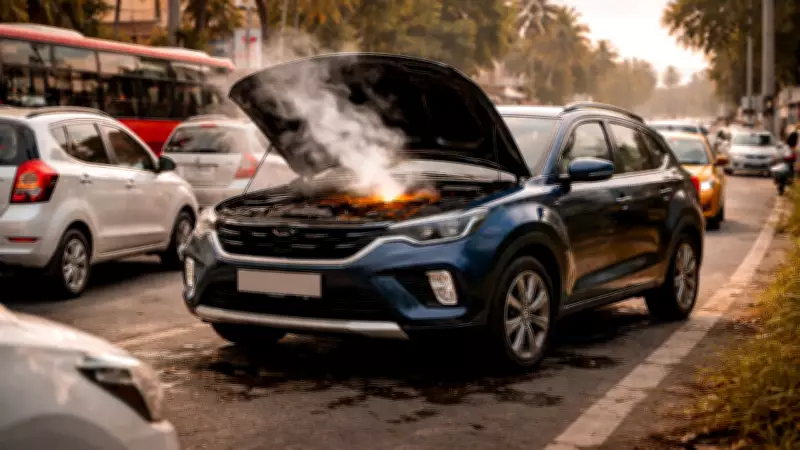
Should engine temperature rise unexpectedly while driving, immediately pull the vehicle to a safe location and switch off the engine. Opening the bonnet can facilitate heat dissipation, but the radiator cap must not be removed immediately since hot coolant under pressure can cause severe burns. Allow the engine to cool completely before inspecting coolant levels or contacting mechanical assistance. Most overheating incidents can be prevented through regular maintenance and seasonal precautions. Keeping the cooling system in optimal condition and adopting preventive measures during hot weather substantially reduces overheating risks. As temperatures continue climbing each summer, basic vehicle inspections and timely servicing ensure smoother, safer driving experiences across India's challenging climatic conditions.