

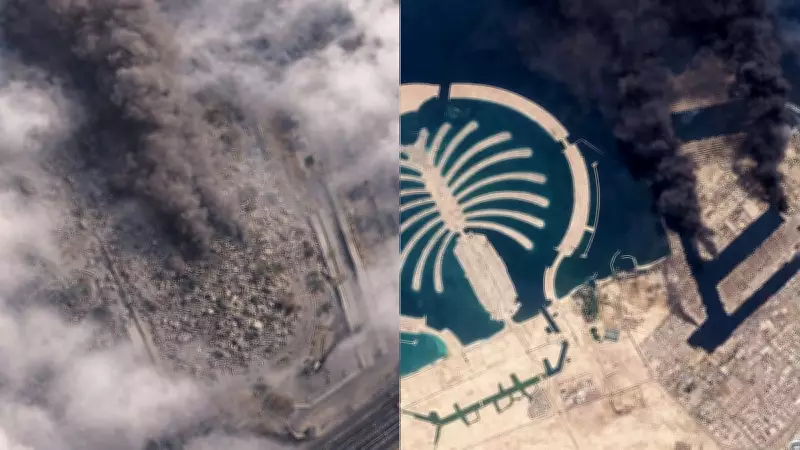
Chinese Startup's Satellite Imagery Exposes Sensitive US and Israeli Military Deployments Near Iran
A Chinese commercial satellite startup has recently released a series of high-resolution images that reveal sensitive military assets and firepower deployments belonging to the United States and Israel in regions surrounding Iran. This development has sparked significant geopolitical and security concerns, highlighting the growing capabilities of private space-based surveillance and its potential implications for international relations.
Detailed Imagery of Military Assets
The imagery, captured by the Chinese startup's advanced satellite technology, provides unprecedented detail of US and Israeli military installations, equipment, and activities. Key findings include the identification of aircraft carriers, fighter jets, missile defense systems, and other strategic assets positioned in areas with proximity to Iran. The clarity and precision of these images underscore the technological sophistication achieved by commercial entities in the space sector.
Geopolitical and Security Ramifications
The release of such sensitive information has raised alarms among defense analysts and policymakers. It potentially compromises operational security for the US and Israeli militaries, offering adversaries like Iran valuable intelligence on troop movements and defensive postures. This incident also underscores the blurred lines between commercial and military applications of satellite technology, with private companies now capable of monitoring state-level military activities with high accuracy.

This event could strain diplomatic relations, particularly between China and Western nations, as it involves a Chinese entity exposing military secrets of key allies. It may lead to calls for stricter regulations on the dissemination of satellite imagery by commercial firms to prevent similar disclosures in the future. Additionally, it highlights the need for enhanced cybersecurity and counter-surveillance measures to protect sensitive military information from being publicly accessible.
Technological Advancements in Commercial Satellites
The Chinese startup's ability to capture and release such detailed imagery reflects rapid advancements in commercial satellite technology. These systems now rival government-operated satellites in terms of resolution and coverage, enabling private companies to play a significant role in global surveillance. This trend poses both opportunities and challenges, as it democratizes access to space-based data but also raises ethical questions about privacy and national security.
Future Outlook and Regulatory ConsiderationsMoving forward, this incident is likely to prompt discussions on international norms and regulations governing the use of commercial satellite imagery. Governments may seek to establish frameworks to control the release of sensitive data, balancing innovation with security concerns. The role of startups in the space industry will continue to evolve, potentially leading to collaborations or conflicts with state actors over surveillance capabilities.






