

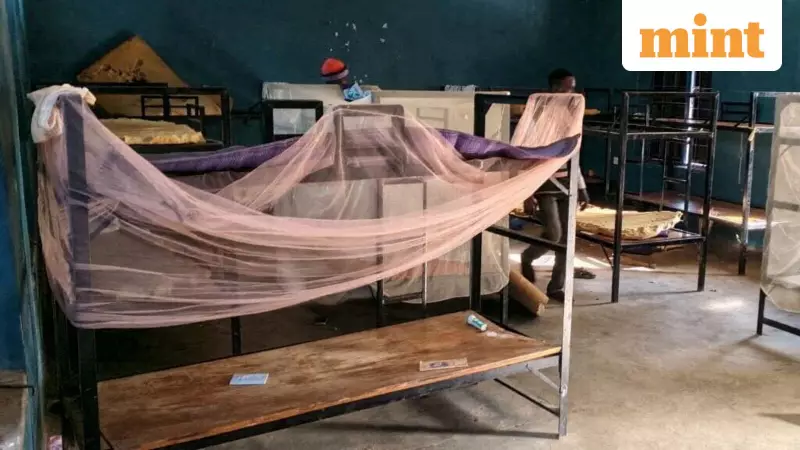
In a significant development, Nigerian authorities have successfully secured the release of 100 schoolchildren who were abducted by armed gunmen last month. The children were taken from St. Mary's co-educational boarding school in north-central Niger state. However, the fate of another 165 students and staff members, believed to still be in captivity, remains shrouded in uncertainty.
A Wave of Abductions Grips the Nation
The mass kidnapping in November saw a total of 315 students and staff seized from their school, plunging the nation into a grim reminder of past horrors. This incident is part of a distressing wave of mass abductions that has swept across Nigeria, echoing the infamous 2014 Chibok schoolgirls kidnapping by Boko Haram. Shortly after the November attack, about 50 individuals managed to escape, leaving 265 people initially thought to be in the hands of the kidnappers.
According to a United Nations source, the 100 freed children are scheduled to be handed over to local government officials in Niger state on Monday. Presidential spokesman Sunday Dare also confirmed this development to the AFP news agency. The circumstances surrounding their release—whether it resulted from negotiation, a military operation, or another means—have not been publicly disclosed by authorities or local media reports.

Official Reactions and Ongoing Anxiety
While the news brings a glimmer of hope, anxiety persists for the families of those still missing. Daniel Atori, spokesman for Bishop Bulus Yohanna of the Kontagora diocese that operates the school, expressed cautious optimism. "We have been praying and waiting for their return, if it is true then it is cheering news," he stated. However, he added that the diocese had not been officially notified by the federal government, highlighting a communication gap.
This kidnapping crisis has cast an uncomfortable spotlight on Nigeria's severe and multifaceted security challenges. The country is battling a long-running jihadist insurgency in the northeast, while so-called "bandit" gangs terrorize the northwest with kidnappings and village raids. Additionally, deadly clashes between farmers and herders over land and resources plague the central regions.
The Business of Kidnapping and International Scrutiny
Kidnapping for ransom has evolved into a rampant criminal enterprise in Nigeria, offering armed groups a lucrative source of quick cash. A recent report by Lagos-based consultancy SBM Intelligence starkly frames this crisis, noting it has "consolidated into a structured, profit-seeking industry." The report estimates that kidnappers raised approximately $1.66 million in ransoms between July 2024 and June 2025 alone.
The spate of November abductions also occurred against a backdrop of heightened international diplomatic pressure, particularly from the United States. Former President Donald Trump had alleged that mass killings of Christians in Nigeria amounted to a "genocide," a framing strongly rejected by the Nigerian government and independent analysts who note it oversimplifies the complex, economically-driven nature of much of the violence.
As the nation awaits the official handover of the 100 children and continues to seek answers for the 165 still missing, the incident underscores the urgent need for a sustainable solution to a security crisis that continues to prey on the most vulnerable.

