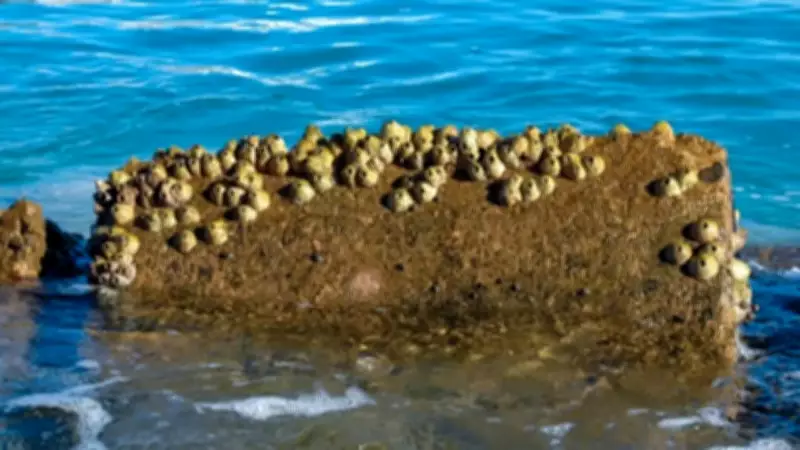
Barnacles, though seemingly harmless marine crustaceans, can become a significant burden for various sea creatures. By permanently attaching to an animal's body, they impede movement, reduce performance, and even alter feeding behaviors, according to marine biologists. These crustaceans thrive by latching onto moving surfaces in the ocean, such as rocks, ships, and other marine organisms. While not all barnacle species cause severe harm, heavy infestations create additional drag and force hosts to expend more energy. Below are seven fascinating marine animals that often carry permanent barnacle settlements as they traverse the oceans.
Sea Turtles
Sea turtles are common hosts for barnacles, which attach to their shells and skin. Their slow movements and warm ocean habitats provide ideal conditions for barnacles to settle and grow without immediate issues. However, excessive barnacle numbers can create extra drag, hindering the turtle's swimming efficiency. Wildlife rescue teams sometimes remove these barnacles to alleviate the burden on the turtles.
Humpback Whales
Humpback whales, among the largest marine animals, often host entire communities of barnacles on their bodies. Specialized barnacle species attach without penetrating deep into the whale's skin, causing no direct harm. Nonetheless, the added weight and drag increase the energy whales expend during long migrations.

Crabs
Certain crab species suffer from barnacle growth on their exoskeletons. While a few barnacles are not dangerous, heavy infestations reduce the crab's mobility. Since crabs rely on swift movement for feeding and escaping predators, the extra drag poses challenges. Scientists view barnacle growth on crabs as a fascinating example of competition for space in marine environments.
Manatees
Manatees, due to their unique skin and shallow-water habitats, also attract barnacles. These crustaceans often form clusters on the manatee's skin. In cases of severe infestation, researchers monitor the manatees to assess potential impacts on their skin health and behavior in the ocean.
Lobsters
Lobsters living in rocky marine areas may develop barnacle growth on their shells, as conditions there are favorable. When lobsters molt, they shed their exoskeletons and any attached barnacles. However, older or slower-growing lobsters may temporarily retain barnacle settlements, which can hinder their movement.
Dolphins
Dolphins rarely have excessive barnacle coverage due to their fast swimming speeds. When barnacles do appear, it may signal health problems or weakened immunity. Specialists consider barnacles an indicator of vulnerability in dolphins, as these highly mobile creatures cannot afford extra drag that could reduce hunting efficiency.
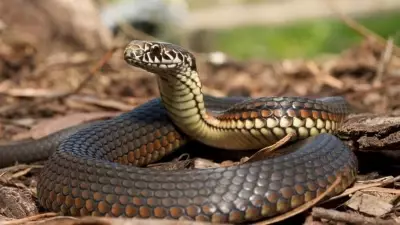
Sea Snakes
Sea snakes, like some reptiles, occasionally develop barnacle growth during their travels in tropical waters. Their frequent ocean presence makes them suitable hosts for these crustaceans, which can impair swimming efficiency. Scientists observe barnacle development on sea snakes as a method to study interactions between parasitic and free-living organisms in the ocean.
Disclaimer: This article is for informational and wildlife awareness purposes only. The impact of barnacles on marine animals varies by species and habitat. Always avoid disturbing marine wildlife and contact trained rescue professionals or wildlife authorities for injured or stranded animals.