

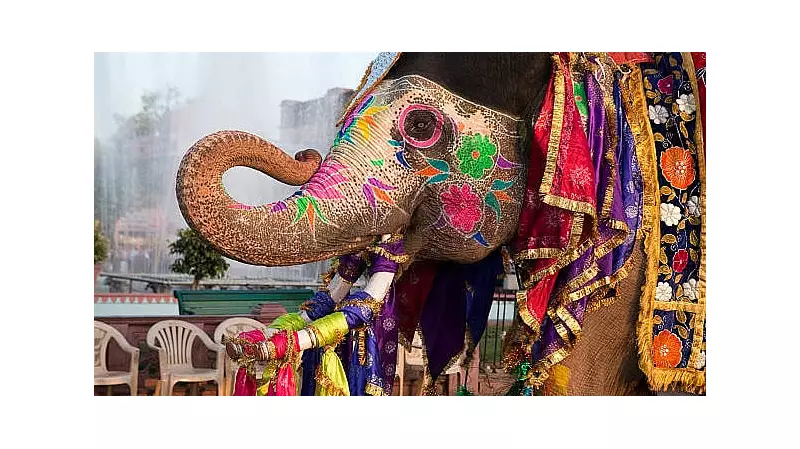
Activists Raise Concerns Over Government Approval for Elephant Use in Temple Processions
In a development that has sparked controversy among wildlife conservationists, activists in Karnataka are questioning the state government's decision to permit the use of elephants in religious processions. This follows a recent authorization by forest officials that has brought the issue of animal welfare and conservation policies into sharp focus.
Forest Department Grants Permission for Elephant in Temple Inauguration
The controversy centers on a letter issued by Principal Chief Conservator of Forests (PCCF), Wildlife, P C Ray, to a mutt trust based in Nonavinakere of Tiptur, located in Tumakuru district. In this official communication, the forest department has granted permission for the use of a female elephant belonging to the mutt trust for the inauguration of a renovated temple.
This decision has immediately drawn criticism from various animal rights groups and environmental activists who argue that such practices compromise the well-being of elephants and contradict wildlife protection norms. The activists emphasize that elephants are wild animals that should not be subjected to the stresses of public events and processions.

Growing Debate Over Animal Welfare and Religious Traditions
The approval has ignited a broader debate about balancing religious traditions with modern conservation ethics. While temple processions featuring elephants have been part of cultural practices in Karnataka for centuries, activists contend that increased awareness about animal rights necessitates a reevaluation of these customs.
Key concerns raised by activists include:
- The potential stress and discomfort caused to elephants during public events
- Questions about whether proper veterinary care and living conditions are maintained
- Concerns that such permissions might set a precedent for more widespread use of wildlife in ceremonies
- The conflict between cultural practices and evolving wildlife protection standards
Government's Conservation Policies Under Scrutiny
Activists are particularly questioning the consistency of the government's wildlife conservation policies. They point out that while Karnataka has implemented various measures to protect elephants in their natural habitats, permissions for their use in processions appear contradictory to these conservation efforts.
The activists have called for greater transparency in how such permissions are granted and have demanded clearer guidelines regarding the use of wildlife in religious and cultural events. They argue that the forest department should prioritize animal welfare over ceremonial requirements, especially when alternatives exist.
This incident highlights the ongoing tension between preserving cultural heritage and advancing animal welfare standards in modern India. As the debate continues, all eyes are on how the Karnataka government will respond to these concerns and whether this will lead to policy changes regarding the use of elephants in public events.

