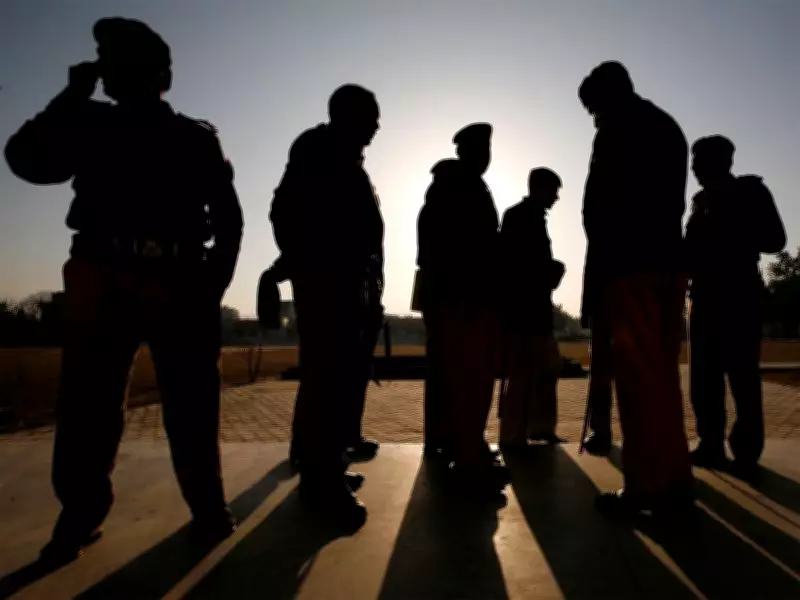
The Baloch Yakjehti Committee (BYC) has reported that the sit-in protest by its detained leaders inside Huda Jail, which they describe as a response to a "faceless trial," has entered its third consecutive day. The protest is taking place in Quetta, Balochistan.
BYC Raises Questions on Trial Proceedings
In a statement posted on social media platform X, the BYC questioned the ongoing legal proceedings. The committee stated, "These faceless trials are unconstitutional and illegal, and are in violation of the basic principles of transparent justice."
Restrictions on Family and Legal Representatives
The BYC further alleged that jail authorities have imposed stringent restrictions inside the prison, preventing visitors from entering. According to the committee, family members and legal representatives of the detained leaders have been unable to meet them despite waiting for several hours. The group expressed concern that state institutions could use these restrictions to exert pressure on or harass the detained BYC leaders.

Demand for Open Court Hearing
Expressing serious concern over the situation, the BYC called for the protection of the legal and human rights of political prisoners. It demanded an end to what it termed illegal actions within the jail and urged authorities to discontinue the alleged faceless trial. Instead, the committee is seeking an open-court hearing for its leaders.
Background: Mahrang Baloch's Statement
In April, from solitary confinement in Huda Jail, Mahrang Baloch, a leader of the Baloch Yakjehti Committee (BYC), issued a message calling for unity, discipline, and critical self-assessment amid what she described as escalating state repression against the Baloch movement. In her written statement, she argued that the movement's greatest challenge is not merely the rise in arrests, violence, or restrictions, but rather how activists respond to these pressures. She cautioned that a lack of serious introspection could lead to stagnation and undermine the movement's objectives.
Mahrang Baloch rejected the characterisation of the state's actions as a simple "crackdown," instead describing them as "colonial repression." She urged activists to remain intellectually and politically vigilant and to avoid complacency despite mounting challenges.