

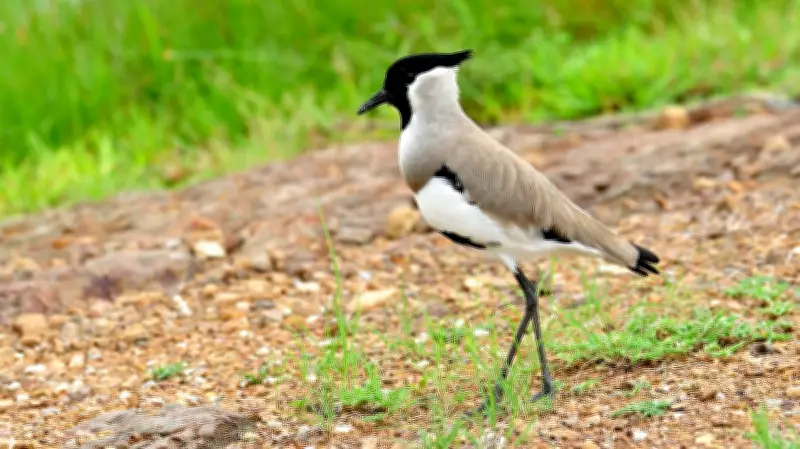
The Bombay Natural History Society (BNHS) has launched India's first telemetry study of River Lapwings in the Ganga basin. This pioneering research aims to track the movement and behavior of these birds using advanced satellite telemetry technology.
First Tagged Bird Released
The first tagged River Lapwing was released by Ashutosh Raj, Divisional Forest Officer of Bhagalpur Division, who joined BNHS researchers during the field exercise. This marks a significant milestone in avian conservation in India.
Significance of the Study
River Lapwings are indicator species for the health of riverine ecosystems. By monitoring their movements, scientists can gather critical data on habitat use, migration patterns, and potential threats. The telemetry study will provide insights into how these birds interact with their environment, especially in the context of climate change and human activities along the Ganga.

The BNHS team, in collaboration with local forest departments, will track the tagged birds over the coming months. This data will help formulate conservation strategies for the species and its habitat. The study is part of a larger effort to protect biodiversity in the Ganga basin, one of the most ecologically significant regions in India.
River Lapwings are known for their distinctive calls and are commonly found near rivers and wetlands. However, their populations are declining due to habitat loss, pollution, and disturbance. The telemetry study is expected to provide a scientific basis for conservation actions.
Ashutosh Raj emphasized the importance of such studies for effective wildlife management. He stated that the forest department will fully support BNHS in this initiative. The released bird was fitted with a lightweight transmitter that will send location data to researchers via satellite.
This project is a step forward in using technology for wildlife conservation in India. It is hoped that the findings will not only benefit River Lapwings but also other species sharing their habitat.






