

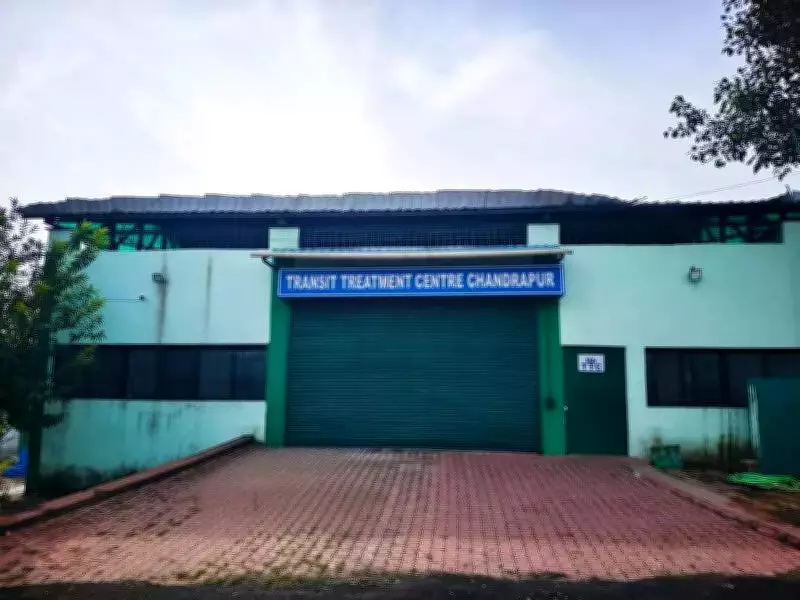
Chandrapur Wildlife Transit Centre Struggles with Severe Overcrowding of Big Cats
The Transit Treatment Centre (TTC) in Chandrapur, designed for short-term treatment and temporary holding of rescued wild animals, is currently grappling with a severe overcrowding crisis. This facility, meant to provide quick medical stabilisation, is now housing far more big cats than its intended capacity, forcing several tigers and leopards to remain confined in cramped cages for extended periods. In some distressing cases, these apex predators have been held for over a year, far beyond the centre's short-duration purpose.
Alarming Numbers and Capacity Constraints
Official reports and field inputs reveal that a total of 11 tigers and four leopards are currently lodged at the TTC. This includes a tiger family with mothers and cubs, adding to the complexity of the situation. The facility, however, has only six enclosures, each originally meant for a single animal. With 15 captive predators, the number is more than double the capacity, leading to critical space shortages.
As a result, half a dozen animals—four leopards and two tigers—are being held in small cages measuring roughly 4x7 feet. These cramped conditions are a far cry from the natural habitats these animals are accustomed to, raising serious concerns about their well-being and long-term health.

Root Causes and Systemic Issues
The congestion at Chandrapur's TTC is closely linked to space constraints at the Gorewada Rescue Centre in Nagpur, which is currently not accepting additional animals. In October 2025, a leopard captured from the Brahmapuri range and being transported from Chandrapur was reportedly sent back midway after Gorewada authorities declined admission due to full capacity. Since that incident, none of the rescued animals from Chandrapur TTC have been moved to Gorewada, exacerbating the overcrowding problem.
Wildlife experts have expressed deep concern over this situation. They maintain that the TTC, designed strictly for short-duration holding and medical stabilisation, is now functioning as a prolonged captivity facility. "These are apex predators accustomed to large territories. Extended confinement in undersized cages can lead to severe stress, behavioural abnormalities, self-injury, and long-term health deterioration," said a wildlife behaviour expert familiar with rescue protocols. "Transit centres are not substitutes for full-scale rescue or rehabilitation enclosures," he emphasised, highlighting the urgent need for proper facilities.
Official Response and Expansion Plans
In response to this crisis, Chief Conservator of Forest and Field Director of Tadoba-Andhari Tiger Reserve, Prabhu Nath Shukla, has confirmed that expansion plans are underway. According to him, a phased proposal to construct 20 additional cells—10 in each phase—is currently in process. The first proposal for building 10 additional enclosures at TTC has been sent for technical sanction. Once approved, these added enclosures are expected to ease pressure and significantly improve holding conditions for the rescued animals.
There are also ongoing discussions about easing the pressure on the Gorewada Rescue Centre by transferring excess tigers to other suitable locations. However, until both these options materialise, six rescued big cats continue to wait in restrictive confinement, facing uncertain futures in inadequate facilities.
Broader Implications for Wildlife Conservation
This overcrowding issue at Chandrapur's TTC underscores broader challenges in India's wildlife rescue and conservation infrastructure. Key points to consider include:

- The urgent need for more dedicated rescue and rehabilitation centres across wildlife-rich regions
- Improved coordination between different facilities to prevent bottleneck situations
- Enhanced funding and resources for wildlife conservation efforts
- Development of long-term strategies for animal relocation and habitat restoration
The situation serves as a stark reminder that while India has made significant strides in tiger conservation, the supporting infrastructure for rescued animals requires immediate attention and investment. As authorities work on expansion plans, the welfare of these magnificent creatures hangs in the balance, calling for swift action and sustainable solutions.
