

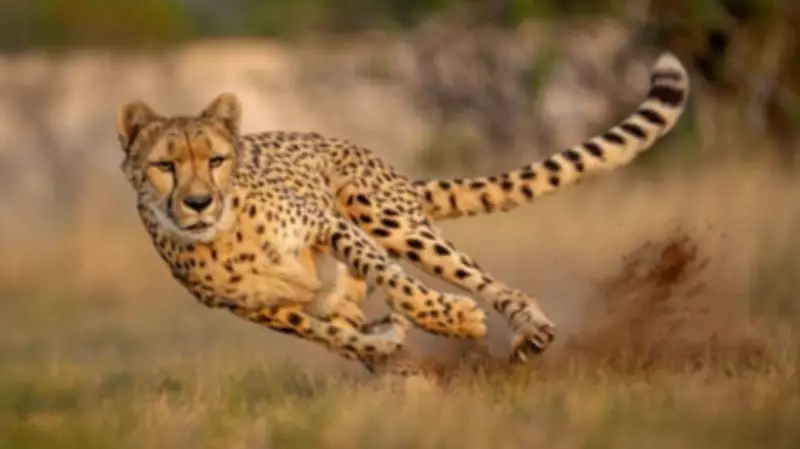
Eight New Cheetahs Arrive at Kuno National Park from Botswana, Boosting Total Population to 46
In a significant development for wildlife conservation in India, eight cheetahs have been successfully translocated to Kuno National Park in Madhya Pradesh from Botswana. This marks the third batch of cheetahs brought to India from Africa, following earlier introductions from Namibia and South Africa. The arrival of these majestic big cats elevates the total cheetah count at the park to 46, representing a major milestone for Project Cheetah, India's ambitious initiative to reintroduce the species after its local extinction decades ago.
Third African Translocation Strengthens Conservation Efforts
The translocation from Botswana is part of a carefully coordinated international effort to enhance genetic diversity and ensure the long-term sustainability of the cheetah population in India. Project Cheetah, launched by the Indian government, aims to restore ecological balance and promote biodiversity by reintroducing cheetahs to their historical habitats. This latest batch follows previous successful translocations, with cheetahs from Namibia and South Africa having already adapted to the park's environment, contributing to breeding programs and population growth.
Kuno National Park, selected for its suitable habitat and prey base, has been at the forefront of this conservation drive. The park's management has implemented rigorous monitoring and care protocols to support the cheetahs' acclimatization and health. Experts emphasize that each translocation is critical for building a viable and self-sustaining population, which is essential for the species' survival in the wild.

Expanding Population and Future Prospects
With the addition of the eight cheetahs from Botswana, the total number at Kuno National Park now stands at 46. This growth reflects the success of ongoing conservation strategies, including habitat management, anti-poaching measures, and community engagement programs. The increasing population is expected to bolster genetic diversity, reduce inbreeding risks, and enhance the overall resilience of the cheetah community in India.
Looking ahead, authorities plan to continue monitoring the cheetahs closely, with a focus on their health, behavior, and integration into the ecosystem. The goal is to establish a stable population that can thrive independently, contributing to global cheetah conservation efforts. This translocation not only underscores India's commitment to wildlife preservation but also strengthens international collaborations in biodiversity protection.
As Project Cheetah progresses, the arrival of these eight cheetahs from Botswana symbolizes hope for the species' revival in India, paving the way for future conservation milestones and ecological restoration.






