Great Nicobar Tribal Council Alleges Administration Pressure to Surrender Tsunami-Hit Ancestral Lands
The Tribal Council of the Great Nicobar Islands has made serious allegations against the Nicobar district administration, claiming officials have been pressuring them to sign "surrender" certificates that would relinquish their claims to ancestral lands devastated by the 2004 tsunami. This development comes amid ongoing tensions surrounding the proposed Great Nicobar infrastructure project, which tribal representatives fear will permanently displace their community from traditional territories.
Alleged Pressure Tactics and Meeting Details
According to tribal chiefs who spoke during a virtual briefing, officials from both the Nicobar district administration and the Andaman Adjim Janjati Vikas Samiti met with council members on January 7, 2026. During this meeting, they allegedly verbally requested the signing of surrender certificates, purportedly to facilitate the Great Nicobar development initiative. The Andaman Adjim Janjati Vikas Samiti is a registered society responsible for overseeing the welfare and protection of particularly vulnerable tribal groups in the region.
The tribal representatives reported receiving initial messages about these surrender certificates as early as January 3, yet they claim they were provided with neither adequate details about the documents nor the meeting agenda. Council members refused to sign the certificates during the January 7 meeting, instead requesting additional time to deliberate on the matter internally.

Historical Context and Community Impact
The Nicobarese community suffered significant casualties during the catastrophic 2004 tsunami, which destroyed their ancestral villages along the western coast of Great Nicobar Island. Following the disaster, community members were relocated to settlements in Rajiv Nagar and New Chingenh on the island's eastern coast, where approximately 500 to 1,000 people have resided for the past 21 years.
Council members expressed grave concerns that accepting the administration's request would "permanently deprive" them of access to their traditional lands. They emphasized that their tribal culture has already been hampered by prolonged displacement from territories where they traditionally cultivated coconut and pandanus (screw pine) and engaged in coastal fishing activities.
Previous Concerns and Ongoing Demands
This is not the first time the tribal council has raised objections regarding land matters. Barnabas Manju, chairman of the tribal council, revealed that authorities previously obtained the council's signature on no-objection certificates for denotification of an 84 square kilometer tribal reserve without fully disclosing the extent and impact of the mega infrastructure project. The council later revoked this no-objection certificate in November 2022.
In correspondence with various authorities, the council has highlighted their shock upon learning that parts of their pre-tsunami villages—including Chingenh, Kokeon, Pulo Pucca, Pulo Baha, and In-heang-loi—would be diverted as part of the Great Nicobar project plans.
The Great Nicobar Project and Environmental Concerns
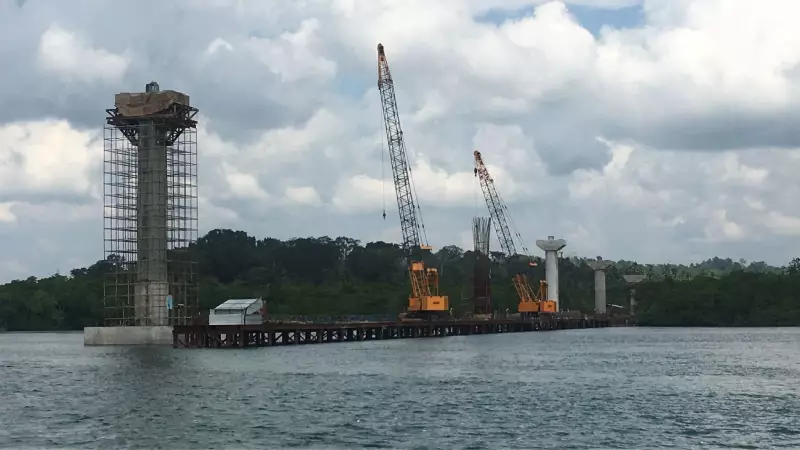
The proposed Great Nicobar transshipment port, township, and infrastructure project represents a massive development initiative estimated at Rs 81,000 crore. Spanning approximately 166 square kilometers, the project has received approval for diversion of 130 square kilometers of dense forest land. Planned components include:
- A major transshipment port facility
- A dual-use civilian-military airport
- A comprehensive township development
- A 450 MVA power plant utilizing gas and solar energy
- Associated logistics infrastructure
Tribal council members have voiced strong opposition to both forest diversion and denotification of tribal reserves. They note that the Forest Rights Act has not been properly implemented in the region, and certificates issued regarding forest rights vesting did not follow due process.

Relocation Demands and Administrative Response
The tribal council has repeatedly sought relocation to their ancestral villages, stating they want to settle back in their traditional territories. In August 2022, the tribal councils of both Little and Great Nicobar Islands wrote to the Lieutenant Governor's office appealing for facilitated relocation to pre-tsunami villages. More recently, in December 2025, the council wrote to the National Commission for Scheduled Tribes reiterating these demands.
Despite multiple attempts by media outlets to obtain official comments, neither the Chief Secretary of the Andaman and Nicobar administration nor the district magistrate of Nicobar island responded to requests for statements regarding these allegations.
The situation highlights the ongoing tension between development initiatives and the rights of indigenous communities, particularly those still recovering from natural disasters while seeking to preserve their cultural heritage and traditional livelihoods.