Indian Army Launches Historic Silk Route Expedition in Ladakh
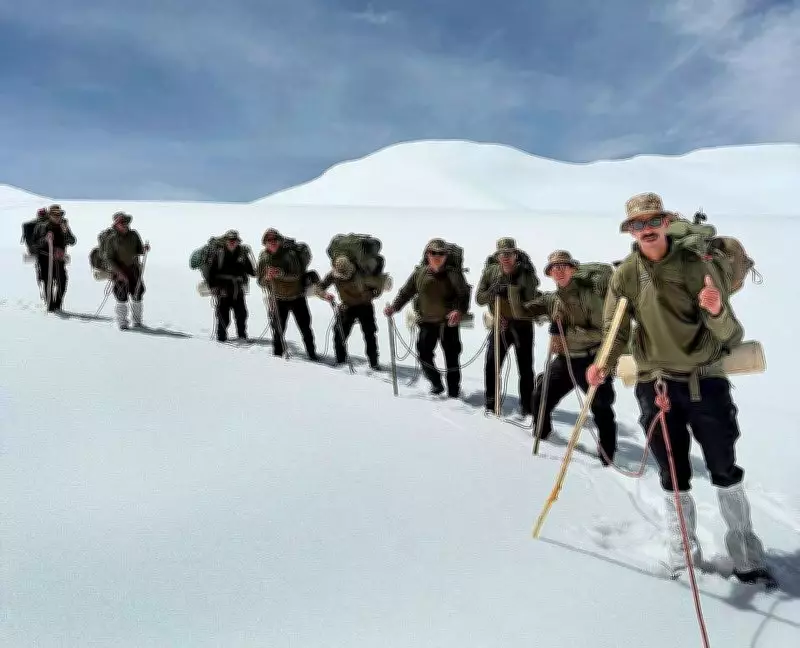
The Indian Army has embarked on a 12-day summer expedition along the historic Old Silk Route in Ladakh, covering 264 kilometers across altitudes ranging from 11,000 to 18,000 feet. The mission, titled "Retracing History, Inspiring the Future," aims to celebrate Ladakh's rich cultural heritage while promoting endurance, teamwork, and leadership in one of the world's most challenging terrains, according to the Army's Leh-based Fire and Fury Corps.
Honoring the Past and Strengthening Bonds
The Fire and Fury Corps, responsible for operations in Ladakh, stated that the expedition is about "honouring the past, embracing the present, and strengthening the enduring bond between the Indian Army and the people of Ladakh." The Old Silk Route was a vital trans-Himalayan trade corridor connecting Tibet to Central Asia through the scenic Nubra Valley and Leh, facilitating the exchange of silk, spices, pashmina wool, salt, and other goods.
Challenging Terrain and Historical Significance
After crossing treacherous passes in the Karakoram range, caravans would halt in the Nubra Valley, known locally as Ldumra or the Valley of Flowers. Villages like Panamik and Tegar served as key tax-collection and resting points. Leh, accessible via the Khardung La pass—one of the world's highest motorable passes—was a major trading hub where merchants from South Asia, Tibet, and Central Asia gathered. Today, Leh and Nubra are popular tourist destinations, especially for adventure seekers.

Bactrian Camels: From Caravans to Military Use
Nubra is home to the endangered Bactrian camel, a small, hardy, double-humped breed once used in caravans. After the Silk Route closed, traders abandoned these camels in the wild, and only a few hundred survive today. They are now used for tourist joy rides. Recently, the Indian Army, after extensive research by the Defence Research and Development Organisation (DRDO), adapted Bactrian camels for frontline patrolling and supply transport to remote border outposts. Their load-carrying capacity is nearly double that of mules and ponies, according to Army officials.