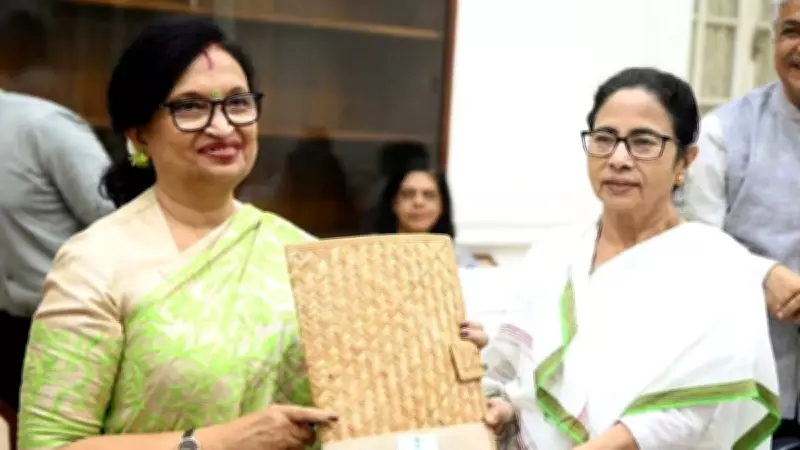
In a fresh blow to West Bengal Chief Minister Mamata Banerjee, her close confidante and senior Trinamool Congress (TMC) leader Chandrima Bhattacharya resigned from all party posts on Saturday, July 4, 2026. The development comes amid growing internal dissent within the TMC, months ahead of the 2027 assembly elections.
Resignation from Key Roles
Bhattacharya, who served as the TMC's state general secretary and was a key strategist in Banerjee's inner circle, submitted her resignation to party chairperson Mamata Banerjee. In her letter, she cited personal reasons for stepping down from all organizational responsibilities. The resignation was accepted by Banerjee, according to party sources.
The 55-year-old leader had been associated with the TMC for over two decades and was considered one of Banerjee's most trusted lieutenants. Her departure marks the third high-profile exit from the party in the past six months, following the resignations of former minister Rajib Banerjee and MP Nusrat Jahan in early 2026.

Impact on TMC's Organizational Structure
Political analysts view Bhattacharya's resignation as a significant setback for Banerjee, as it weakens the party's organizational backbone in key districts of South Bengal. Bhattacharya was instrumental in managing party affairs in Kolkata and the neighboring districts of North 24 Parganas and South 24 Parganas.
According to a senior TMC functionary who spoke on condition of anonymity, "Chandrima's exit will create a void in the party's grassroots machinery. She was the go-to person for resolving factional disputes and coordinating election campaigns." The TMC has not yet announced a replacement for her posts.
Context of Growing Internal Friction
The resignation comes amid reports of increasing friction between the old guard and newer entrants in the TMC. Several veteran leaders have expressed dissatisfaction over the party's direction under Banerjee's leadership. In March 2026, former minister Rajib Banerjee had quit the party, alleging a "culture of sycophancy" within the TMC.
Bhattacharya's departure is also seen as a response to the party's handling of the 2026 Lok Sabha elections, where the TMC's seat tally dropped from 22 to 18, its worst performance since 2014. While Banerjee had publicly downplayed the results, internal reviews pointed to organizational failures in several constituencies.
Reactions from Political Circles
The Bharatiya Janata Party (BJP) was quick to seize on the development. State BJP president Sukanta Majumdar said, "This proves that the TMC is a sinking ship. Leaders are jumping off because they see no future in Mamata Banerjee's autocratic rule." The Congress also welcomed Bhattacharya's resignation, with state Congress chief Somen Mitra calling it a "vote of no confidence" in Banerjee's leadership.
However, TMC spokesperson Kunal Ghosh dismissed the resignations as "individual decisions" and asserted that the party remains united under Banerjee's guidance. "Chandrima Bhattacharya has served the party diligently for years. We respect her decision and wish her well," Ghosh said in a press briefing.
What Lies Ahead for Bhattacharya and TMC
Speculation is rife that Bhattacharya may join the BJP or float her own political outfit, although she has not indicated her future plans. Political observers note that her exit could trigger a chain reaction, with other disgruntled leaders possibly following suit.
For the TMC, the challenge is to stem the exodus and rebuild trust among its cadre. With the 2027 assembly elections less than a year away, Banerjee faces the daunting task of consolidating her party's base while countering the BJP's aggressive outreach in West Bengal.