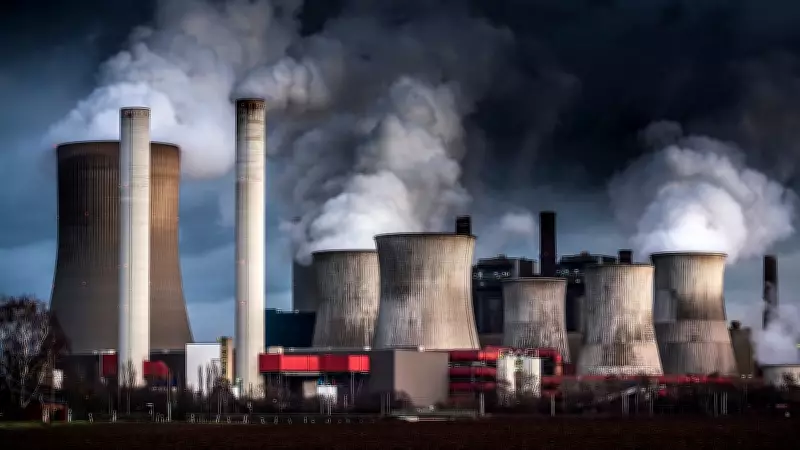
India's coal-powered electricity generation has continued its downward trend, even as the country expands its thermal power plant capacity, according to a recent report. Data from January to April 2026 shows that electricity generation from coal and lignite was approximately 2 percent lower compared to the same period in 2025.
Decline in Coal-Based Power Generation
The report highlights a persistent decline in coal-based power generation, marking a significant shift in India's energy landscape. Despite ongoing expansions of thermal plants, the actual output from these facilities has decreased. This trend suggests a growing reliance on alternative energy sources or improved efficiency measures.
Comparative Analysis: 2025 vs. 2026
During the first four months of 2026, India's coal and lignite-fired plants generated roughly 2 percent less electricity than in the corresponding period of 2025. This decline is notable given that thermal plant capacity has continued to increase, indicating that new plants may be operating at lower utilization rates or that older plants are being phased out.

Implications for Energy Policy
This development comes amid India's ambitious renewable energy targets and efforts to reduce carbon emissions. The decline in coal generation could be attributed to several factors, including increased solar and wind power integration, higher hydropower output, or lower overall electricity demand growth. However, the continued expansion of thermal plants raises questions about future coal use and the pace of the energy transition.
The report underscores the complexity of India's energy mix, where coal remains a dominant source but is gradually losing ground to cleaner alternatives. As the country balances economic growth with environmental commitments, the trend in coal generation will be closely monitored.