Jharkhand: The 'Land of Forest'
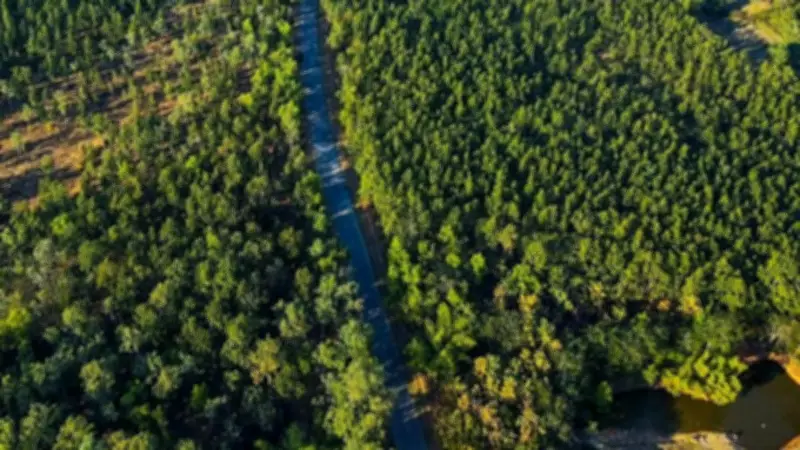
Jharkhand, a state in eastern India, is famously known as the 'Land of Forest' due to its extensive forest cover. Much of the state remains under lush greenery, with protected reserves that serve as habitats for diverse wildlife, including tigers and Asian elephants. The state's name itself translates to 'land of forests' in Hindi, reflecting its natural heritage.
Forest Cover and Protected Areas
According to the India State of Forest Report, Jharkhand has over 29% of its geographical area under forest cover. Key protected areas include the Betla National Park, Palamau Tiger Reserve, and Dalma Wildlife Sanctuary. These reserves are crucial for conservation efforts, housing endangered species like the Bengal tiger and the Asian elephant.
Wildlife and Biodiversity
The forests of Jharkhand are rich in biodiversity. The Palamau Tiger Reserve is one of the first nine tiger reserves established in India under Project Tiger. It supports a significant population of tigers, along with leopards, sloth bears, and wild boars. Asian elephants are also commonly spotted in the Dalma Wildlife Sanctuary, which acts as an elephant corridor connecting Jharkhand to West Bengal.

Cultural and Economic Significance
Forests play a vital role in the lives of Jharkhand's tribal communities, who depend on them for fuel, food, and livelihood. The state also promotes eco-tourism, with initiatives like the Jharkhand Tourism department showcasing its natural beauty on social media platforms. A recent Instagram post by Jharkhand Tourism highlighted the state's green landscapes, drawing attention to its ecological importance.
Conservation Challenges
Despite its forest wealth, Jharkhand faces challenges such as deforestation due to mining and industrial activities. The state government has implemented measures to protect forest cover, including afforestation programs and strict regulations on illegal logging. Conservationists emphasize the need for sustainable development to balance economic growth with environmental preservation.
Conclusion
Jharkhand's identity as the 'Land of Forest' is well-deserved, with its vast green cover and rich wildlife. As efforts continue to protect its natural resources, the state remains a key area for biodiversity conservation in India.