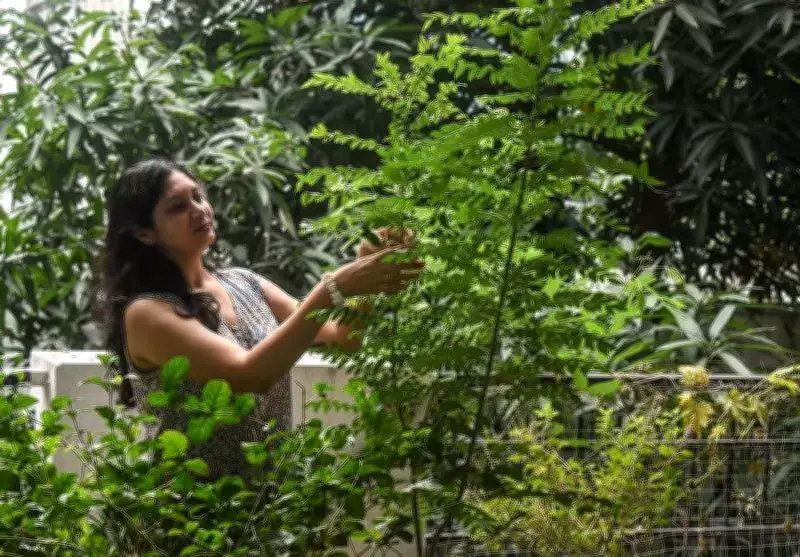
Nagpur: Preserving plant species that are on the verge of extinction is critical to maintaining ecological balance, said Bharat Singh Hada, member-secretary of the Maharashtra State Biodiversity Board, on the occasion of International Biodiversity Day on Friday.
Importance of Plant Conservation
"There are plants which, if not protected now, will become extinct, and this damages the ecological balance of nature. Birds, bees and insects all benefit from such a diverse ecosystem, and this leads to a healthier planet," Hada stated.
The Rare Species Park at Rui (Khairi)
Hada was speaking in the context of a rare, endangered and threatened species park at Rui (Khairi) near Butibori, on the edge of Nagpur's industrial belt. The biodiversity board helped establish the park, which now houses 4,000 plants across 70 species on five acres of forest land. The park functions as a living library of Maharashtra's vanishing flora, with every bed representing a different species. QR codes in front of each plant provide visitors with detailed information about the species.

Conception and Implementation
The park was conceived by the Maharashtra Gene Bank (MGB), a part of the board, and was kick-started by forest official Vinita Vyas during her tenure as director of MGB. "All we had was a GR, and I knew immediately that its ground implementation could be done," said Vyas, who continues to oversee the project in her current posting as deputy conservator of forests (territorial). She explained the selection process: "We made up a list of all the RET species in India and then matched them according to the climate and soil conditions of Vidarbha. The ones that stood the maximum chance of adapting to our conditions were shortlisted and sourced from different parts of the country."
Groundwork and Execution
Ground preparation was handled by Hada during his earlier posting as DCF (territorial), with range forest officer Pramod Wade executing the work on the ground. Pits were dug according to a scientifically prepared layout, and soil preparation was done to give incoming species the maximum nutrition and conditions to flourish.