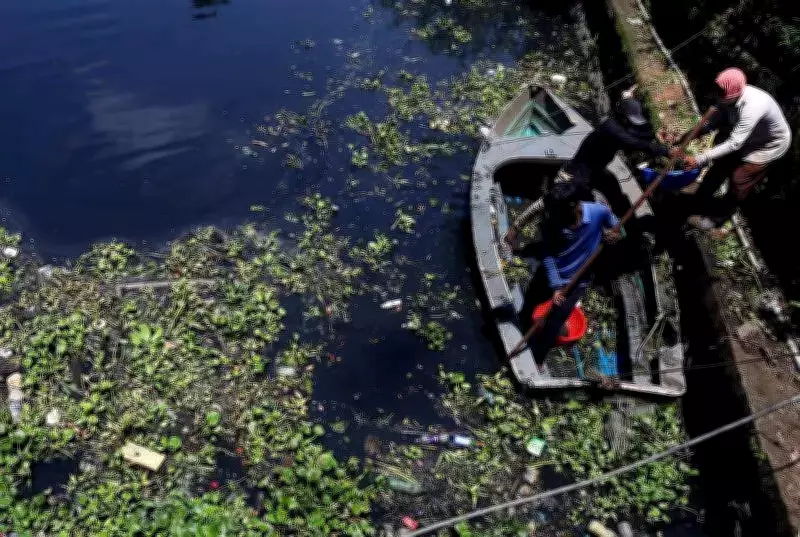
A recent study conducted by the Cochin University of Science and Technology (Cusat) has revealed an alarming abundance of microplastics in Kochi's drainage system, highlighting the consequences of unscientific waste disposal in a densely populated urban area.
Study Findings on Microplastic Concentration
The research found that microplastic concentrations in water samples ranged from 39.65 to 56.28 particles per litre. In contrast, sediment samples exhibited significantly higher levels, ranging from 450.22 to 545.79 particles per kilogram in the post-monsoon period. Scientists acknowledge that there is currently no established permissible limit for microplastics in the environment, underscoring the need for urgent attention to this emerging threat.
Environmental and Health Implications
Experts warn that these microplastics eventually make their way into Vembanad Lake through the drains, raising serious environmental concerns. From there, they enter human food and water chains, potentially leading to long-term toxicity. The study also noted that during the pre-monsoon season, water samples recorded 12.7 to 82.5 particles per litre, while sediment levels ranged from 216.45 to 785.88 particles per kilogram. This indicates that rainwater transports non-degradable waste, which settles in fragmented form in sediments for extended periods.

Waste Management Challenges
In Kochi, sediment removed from drains during pre-monsoon cleaning is often deposited untreated in public places or at the Brahmapuram waste management facility. While larger plastic debris is cleared, microplastics remain settled at the drain beds. Cusat research fellow Amal R, part of the two-member study team, noted that densely populated areas showed higher microplastic concentrations due to greater plastic consumption and improper waste disposal practices.
Amal explained that microplastics in water and sediment seep into the soil, contaminating ecosystems and posing health risks. He stated, 'Studies have shown that microplastics reach our body through plants we cultivate on the land or the water we drink, raising health concerns. We noticed high concentrations in densely populated areas along the Perandoor-Thevara canal and Mullassery canal. High-density locations produce more plastic waste as the dense population tends to consume more plastic items and increase the possibility of environmental leakage when they lack civic sense and proper scientific waste management facilities.'
Secondary Pollutants and Tyre Wear
The report also highlights that microplastics can act as carriers for secondary pollutants, facilitating the spread of contaminants through water flow. The study found polymer compositions alongside mismanaged plastic waste, confirming that road-derived urban debris reaches drains. 'As vehicle population density rises, we found microplastics derived from tyre wear particles in the samples, which are becoming a growing source. Despite authorities removing waste from drains, management is not properly done. The waste again reaches drains through rainwater. We need a proper facility for treating drainage waste. It is mandatory in developed nations, and they test for microplastics in treated water. Here, we do not even have a facility to treat drainage waste. Improved civic sense would help enhance plastic waste management,' said Amal.
Need for Permissible Limits
Since microplastics are an emerging threat, no permissible or acceptable limit for their presence in the environment and food web has been established. Amal noted that multiple research efforts are underway to study the potential adverse impacts of microplastics on human health.