Quad Initiative: Pact on Critical Minerals Augurs Well for the Bloc
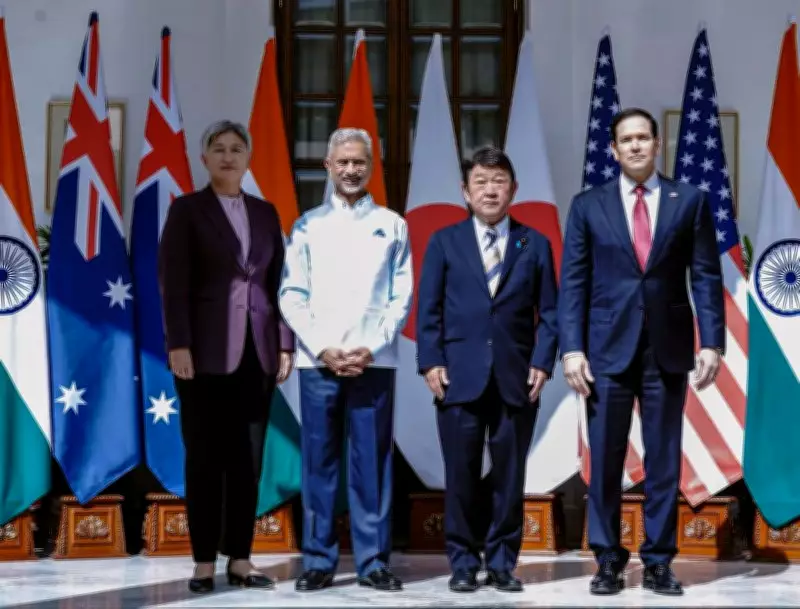
The Quadrilateral Security Dialogue, commonly known as the Quad, has taken a significant step forward by signing a pact on critical minerals. This agreement, reached during the recent summit, aims to enhance cooperation in securing supply chains for minerals essential for clean energy technologies, electronics, and defense applications. The move is widely seen as a strategic effort to reduce reliance on China, which currently dominates the global processing of these minerals.
Strategic Importance of Critical Minerals
Critical minerals such as lithium, cobalt, rare earth elements, and graphite are vital components in batteries, electric vehicles, wind turbines, and advanced electronics. The Quad nations—India, the United States, Japan, and Australia—collectively hold significant reserves and processing capabilities. By pooling resources and technology, they aim to create a resilient and transparent supply chain that can withstand geopolitical disruptions.
Reducing China Dependence
China controls a substantial portion of the global critical mineral supply chain, particularly in refining and processing. This dominance has raised concerns among Western nations about potential vulnerabilities. The Quad's pact includes initiatives to invest in domestic mining, recycling, and alternative sources, as well as to promote research into substitutes. The goal is to diversify sources and reduce strategic dependence on any single country.

Economic and Technological Collaboration
The agreement also fosters collaboration in research and development, with a focus on sustainable extraction and processing technologies. The Quad countries plan to share best practices and coordinate on environmental standards. Additionally, the pact encourages private sector participation, aiming to attract investment in mining and processing projects within member nations.
Implications for Global Geopolitics
The Quad's critical minerals pact is a clear signal of the bloc's intent to shape global trade and security frameworks. It complements other initiatives like the Minerals Security Partnership, which includes several other countries. By strengthening their collective leverage, the Quad members hope to ensure stable access to these resources, which are crucial for the green energy transition and technological sovereignty.
Challenges and Future Prospects
Despite the optimism, challenges remain. Developing new mining projects can take years and faces environmental and regulatory hurdles. Moreover, China may respond by tightening its control over exports. However, the Quad's commitment to cooperation and innovation provides a robust foundation for long-term success. As the world moves toward cleaner energy, this pact positions the Quad as a key player in shaping the future of global supply chains.