Tanzanian authorities have escalated their crackdown on opposition figures by arresting a senior official from the main opposition party CHADEMA following violent protests that resulted in casualties. The political tension continues to mount in the East African nation as security forces target multiple opposition members.
Senior Opposition Figure Detained
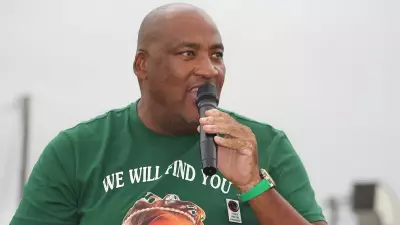
John Heche, a prominent member of the CHADEMA party's central committee, was arrested by Tanzanian police in the early hours of Wednesday. The arrest occurred just one day after deadly protests rocked the country during local government by-elections. Heche, who also serves as the legal officer for CHADEMA, was taken into custody along with several other party members as part of what appears to be a coordinated suppression campaign.
The arrests represent a significant escalation in the government's response to political dissent. According to party officials, police conducted raids at the homes of multiple CHADEMA leaders, creating an atmosphere of fear and intimidation among opposition supporters. The timing of these arrests, coming immediately after the violent protests, suggests a deliberate strategy to weaken the opposition movement.

Deadly Protests Spark Political Crisis
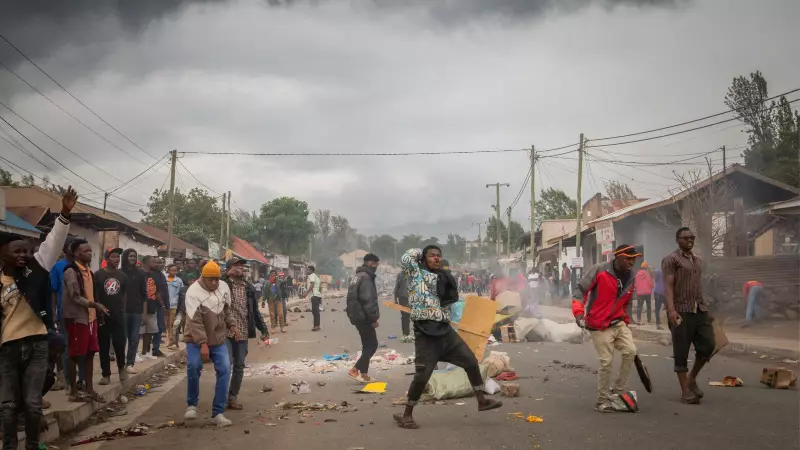
The catalyst for this latest crackdown was violent demonstrations that erupted on Tuesday during local government by-elections in the northern Monduli district. Protesters clashed with security forces in dramatic confrontations that turned fatal. While official casualty figures remain unclear, multiple sources confirm that several people lost their lives during the unrest.
CHADEMA party officials have accused the police of using excessive force against peaceful protesters. They claim their supporters were demonstrating against what they describe as electoral irregularities and unfair practices during the voting process. The protests reportedly began when opposition supporters questioned the transparency of the election procedures and alleged voter intimidation tactics.
Local witnesses described chaotic scenes as security forces deployed tear gas and live ammunition to disperse crowds. The situation rapidly deteriorated into running battles between protesters and police throughout the district. The violence has raised serious concerns about Tanzania's democratic stability and respect for political rights.
Broader Crackdown on Opposition
John Heche's arrest forms part of a broader pattern of suppression against CHADEMA, which has positioned itself as the primary challenger to President Samia Suluhu Hassan's government. Several other party officials and supporters have been targeted in recent days, with many facing similar arrests and intimidation tactics.
Political analysts observing the situation note that this represents a significant test for President Hassan, who took office in 2021 following the death of her predecessor John Magufuli. While she initially promised a more inclusive political environment and reforms, recent events suggest a return to the authoritarian tendencies that characterized the previous administration.
International human rights organizations have expressed growing concern about the deteriorating political situation in Tanzania. They point to increasing restrictions on opposition activities, limited media freedom, and now violent suppression of protests as worrying indicators of democratic backsliding in the country.
The Tanzanian government has defended its actions, stating that it is merely maintaining law and order and preventing violence from escalating. Police officials claim they acted proportionately in response to what they describe as "unlawful assemblies" and attempts to disrupt the electoral process.
As the situation continues to develop, the international community watches closely to see how Tanzania will navigate this political crisis. The treatment of opposition figures like John Heche and the government's response to the deadly protests will likely have significant implications for Tanzania's democratic credentials and its relationships with international partners.