

Hyderabad: Telangana may have emerged as one of the top performers in India's intellectual property (IP) landscape in patents, trademarks and designs, but when it comes to geographical indications (GI), India's youngest state is trailing far behind despite its rich legacy of handicrafts, culinary delights and unique farm produce.
Data from the Office of the Controller General of Patents, Designs, Trademarks and Geographical Indications shows Telangana ranked fifth in patent filings in 2024-25 with 4,293 applications. It stood ninth in trademarks with 23,448 applications and 13th in designs with 979 applications. But in GI applications, Telangana lagged far behind other states, ranking 16th with just 31 filings and 19 registrations.
By contrast, northeastern states have surged ahead, filing over 500 GI applications in the past year alone, out of the more than 2,021 GI applications filed nationwide since the GI Act came into force in September 2003. India now has 724 registered GI tags.

In 2025-26 too, the state remained a key contributor to India's record 1.43 lakh patent filings, driven by pharmaceuticals, engineering and digital technologies, though the detailed IP office report for FY26 is yet to be released. Telangana improved its position from fifth to fourth in 2025-26 with the highest percentage growth of 118% in terms of filing patents.
Untapped Potential
A burst of activity in June and July 2025, after GI specialist Dr Rajni Kant — also known as the 'GI man of India' — entered Telangana's GI landscape, helped add nine applications in two months, pushing the total to around 37. A few more applications have also been filed recently but are yet to be numbered, said Telangana-based IP expert Subhajit Saha.
Even so, experts say the low numbers underline how far Telangana trails in identifying and protecting region-specific products. This is despite India's GI ecosystem expanding sharply on the back of the Centre's target of reaching 10,000 GI applications by 2030.
Undivided Andhra Pradesh and Telangana together account for over 100 filings. Andhra Pradesh alone has filed 77 applications, compared with Telangana's 37.
No Shortage of Products
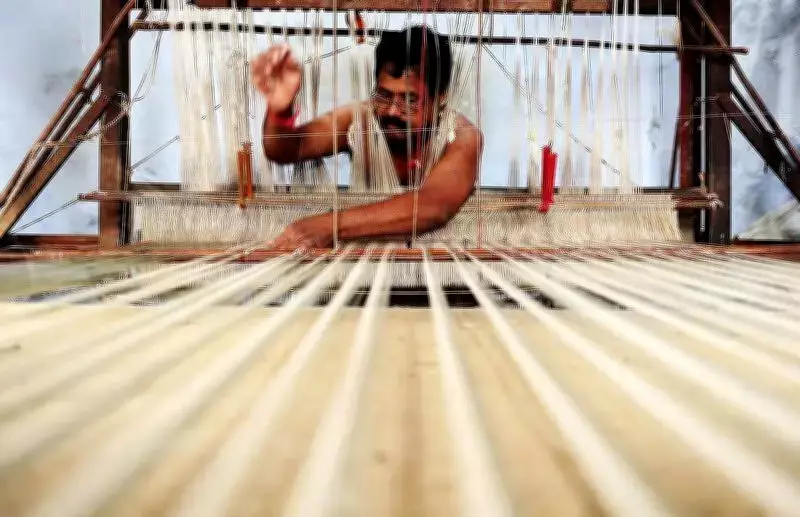
The gap is striking because Telangana has no shortage of products that could qualify for GI protection, experts say. From handlooms and handicrafts to tribal jewellery, chillies, mangoes, citrus fruits and traditional foods, the state has a wide range of products tied to geography, local skill and cultural identity, said Saha, who is also known as Telangana's GI man.
He said the lack of a dedicated government department for GIs in Telangana has proved to be one of the biggest stumbling blocks in accelerating the state's GI story. Unlike patents and trademarks, which are often driven by companies, startups and research institutions, GI filings usually require coordinated support for producer groups, documentation, historical evidence and sustained institutional backing.
Saha of Resolute4IP, who has worked on several filings in the Telugu states, also said the recent acceleration came largely from a stronger push by the Centre, which slashed application fees from Rs 5,000 to Rs 1,000 last year.
Policy Reforms
Experts say Telangana has not moved fast enough beyond textiles and handicrafts into agriculture, food products and manufactured goods, limiting both the number and diversity of GI filings.
Dr Rajni Kant, who is now taking active interest in Telangana, said GI tags have not helped artisans or farmers much because most products do not have GI authorised user registration. "We believe that there are still no changes in GI authorised user registration in maximum GI registered products of Telangana and Andhra Pradesh."
He also said that for India to accelerate to 10,000 GIs, much more policy support, changes in the GI Act and timely delivery of resources are required. "Post-GI interventions are much more important for getting benefits of GI and inspiration for filing new GI applications," he added.
Change is in the Air
Telangana's recent filings show it is beginning to tap its GI potential. Products such as Nalgonda Nimma, known for high juice content, Jagtial sesame with high oil content and Kollapur Benishan mango, valued in export markets, point to the scope available if the state broadens its GI strategy.

Still, the pace remains slow compared with other regions that have aggressively mapped local products for GI protection.
Saha said with the government now planning to add traditional specialty products under the GI Act, Telangana could pull ahead in the race, as many of its culinary products and cuisines like Osmania biscuits, Irani chai, Dum ka Roat and Hyderabadi biryani could be taken up for filing and stand a strong chance of securing GI tags.





