

Bengaluru Tiger Killing Exposes Critical Financial Shortfalls in Wildlife Crime Probes
A disturbing incident of tiger poaching in Karnataka's forests last year has uncovered significant financial obstacles in wildlife crime investigations, with field officials facing immediate challenges in arranging funds for essential forensic procedures. According to a high-level inquiry report submitted to the government, the lack of an institutional mechanism for releasing emergency funds created serious hurdles during a critical investigation phase.
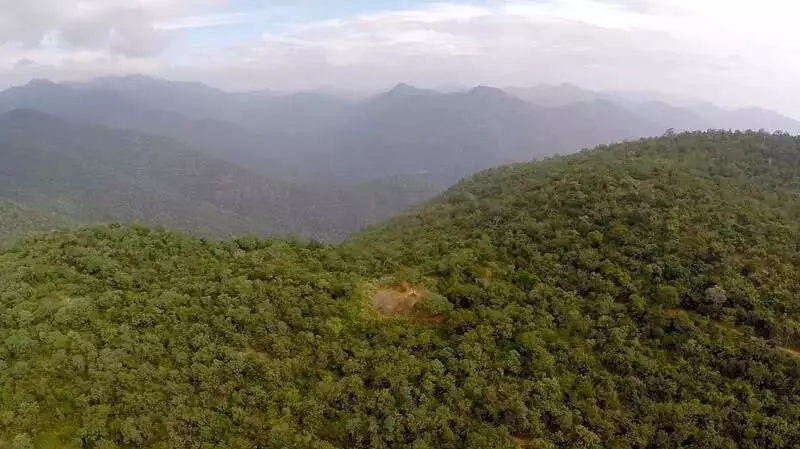
The MM Hills Wildlife Sanctuary Incident
In October 2025, within the MM Hills wildlife sanctuary, a tiger was allegedly poached and dismembered after preying on livestock. As investigators worked to secure evidence and initiate legal action, they encountered an unexpected barrier: the immediate need for over Rs 2 lakh to conduct mandatory forensic tests on collected samples.
The inquiry committee, led by additional principal chief conservator of forests Smita Bijjur along with other experts, documented how this financial gap threatened to stall the investigation at a crucial juncture. Despite forest staff acting promptly to secure evidence, their efforts were compromised by systemic funding deficiencies.

Forensic Testing Financial Burden
According to the detailed inquiry findings, autopsy samples in poaching cases are accepted by the Regional Forensic Science Laboratory in Mysuru only after payment is made. The committee noted that testing each sample costs approximately Rs 7,000, and in this particular case, investigators needed to process:
- 8 samples from the tiger
- 7 samples from the cow
This initial testing requirement alone amounted to around Rs 1 lakh, presenting immediate financial challenges for field officers operating in remote forest areas.
Additional DNA Analysis Requirements
The investigation expanded to include more comprehensive forensic analysis, with additional samples sent to the Advanced Institute for Wildlife Conservation in Chennai for DNA testing. These crucial pieces of evidence included:
- Weapons allegedly used in the crime
- Slipper samples from the scene
- Clothing worn by suspected offenders
- The tiger's tooth and claw specimens
For these advanced DNA tests, investigators needed to arrange nearly Rs 1 lakh more, bringing the total forensic testing costs to approximately Rs 2 lakh. The inquiry committee specifically noted that "field officers expressed difficulty in arranging the amount" for these essential procedures.
Systemic Recommendations and Government Response
The inquiry report highlighted the absence of established protocols for emergency funding in wildlife crime cases and recommended creating a systematic approach to prevent similar obstacles in future investigations. Specifically, the committee suggested developing a mechanism for immediate payment from respective tiger foundations during such emergency situations.
Forest Minister Eshwar Khandre acknowledged the inquiry findings, stating that while the issue hadn't previously been brought to his attention, he has now directed the Principal Chief Conservator of Forests and chief wildlife warden to establish arrangements for funding such expenses from departmental resources.
This case has brought to light a critical gap in wildlife crime investigation infrastructure, where even well-executed field work can be undermined by financial and procedural bottlenecks in forensic testing requirements.






