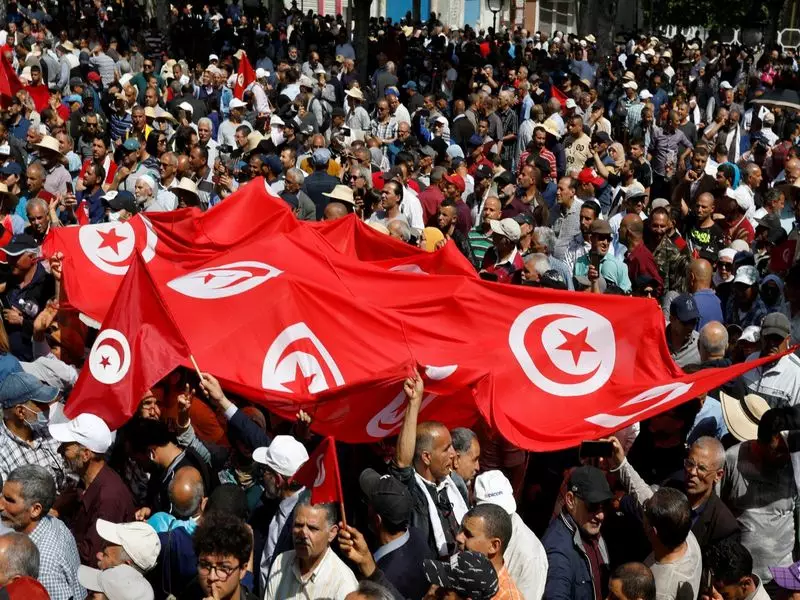
Prominent opposition leaders in Tunisia have taken the dramatic step of joining a hunger strike in solidarity with jailed politician Chaima Issa, escalating their protest against President Kais Saied's government. The movement represents a significant escalation in the ongoing political confrontation that has gripped the North African nation.
Political Figures Rally Behind Imprisoned Colleague
Several key opposition personalities have voluntarily stopped eating to demand the immediate release of Chaima Issa, a senior official within the opposition coalition known as the National Salvation Front. Issa has been detained since February 2023 under controversial circumstances that opposition groups describe as politically motivated.
The hunger strike participants include notable figures such as Jawhar Ben Mbarek, another prominent leader within the National Salvation Front. Their collective action underscores the deepening political divide in Tunisia and the opposition's determination to challenge what they perceive as an increasingly authoritarian government under President Saied.

The detention of Chaima Issa occurred on February 23, 2023, when security forces arrested her as part of a broader crackdown that targeted multiple opposition figures. Authorities have accused her of conspiracy against state security, allegations that her supporters vehemently deny as fabricated charges designed to silence dissent.
Widespread Condemnation and International Concern
The opposition's hunger strike has drawn attention to what human rights organizations describe as a deteriorating political situation in Tunisia. Since President Saied assumed extraordinary powers in 2021, dissolving parliament and ruling by decree, the country has witnessed a steady erosion of democratic institutions that once made it a beacon of Arab democracy.
International observers have expressed growing concern about the treatment of opposition figures in Tunisia. The hunger strike represents a desperate measure by political activists who feel they have exhausted conventional channels for protest and legal recourse. The National Salvation Front has emerged as the primary organized opposition to Saied's government, bringing together various political parties and civil society groups united by their commitment to restoring democratic norms.
Medical professionals monitoring the hunger strikers have warned about potential health consequences if the standoff continues indefinitely. The participants have declared their willingness to continue their fast until Chaima Issa and other political prisoners receive their freedom.
Broader Implications for Tunisian Democracy
This development occurs against the backdrop of Tunisia's ongoing economic crisis, which has seen rising inflation and unemployment rates that threaten social stability. The political confrontation between the government and opposition compounds these economic challenges, creating a volatile situation that concerns both regional and international partners.
The hunger strike represents a significant test for President Saied's administration and its approach to political dissent. How the government responds to this non-violent protest could determine the future trajectory of Tunisia's political landscape and its international relationships, particularly with Western democracies that have supported Tunisia's transition since the 2011 revolution.
International human rights organizations have called for independent monitoring of the situation and urged Tunisian authorities to respect due process and freedom of expression. The European Union and United States have both expressed concern about the narrowing political space in what was once considered the sole success story of the Arab Spring uprisings.
As the hunger strike continues, attention focuses on whether the government will engage in dialogue with the opposition or further intensify its crackdown. The outcome of this confrontation will likely have lasting implications for the future of democratic governance in Tunisia and the broader region.