Urban governance systems frequently struggle with everyday maintenance gaps that remain invisible within centralised administrative structures. This challenge is particularly acute for city green spaces, which serve as the lungs of urban environments but face increasing strain from neglect and mismanagement.
The Hidden Crisis in Urban Green Spaces
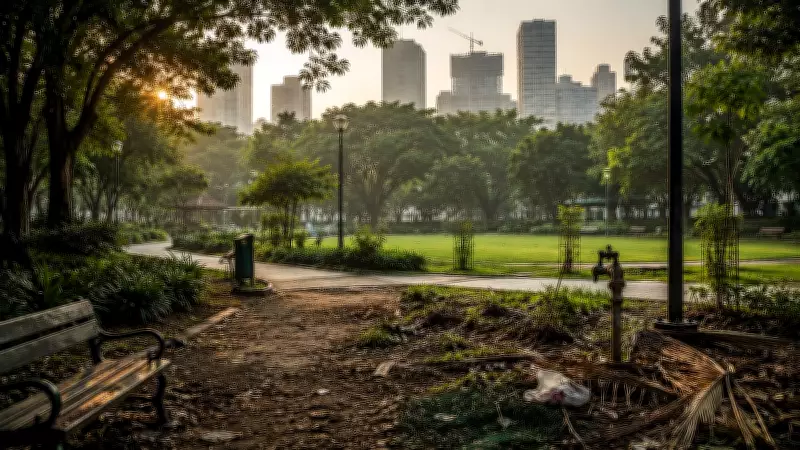
Green spaces such as parks, gardens, and tree-lined avenues are essential for environmental health, providing oxygen, reducing heat island effects, and supporting biodiversity. However, a lack of responsive local governance often leaves these areas underfunded and poorly maintained. Routine tasks like pruning, litter collection, irrigation, and pest control are delayed or ignored, leading to deterioration.
Systemic Gaps in Maintenance
Centralised administrative systems are ill-equipped to handle the granular, day-to-day needs of urban greenery. Decision-making is often distant from ground realities, resulting in delays and mismatched priorities. For instance, a park may require frequent watering during a dry spell, but bureaucratic processes can stall resource allocation until damage is done.

Impact on Environmental Sustainability
The neglect of green spaces undermines broader sustainability goals. Urban heat islands intensify, air quality worsens, and stormwater runoff increases. Communities lose access to recreational areas, affecting mental and physical well-being. Moreover, the loss of green cover reduces carbon sequestration capacity, exacerbating climate change.
Need for Decentralised and Participatory Approaches
Experts argue that empowering local bodies, ward committees, and citizen groups can bridge the maintenance gap. Decentralised governance allows for quicker responses and tailored solutions. Participatory budgeting and community stewardship programs have shown success in cities like Bengaluru and Pune, where resident welfare associations adopt parks and manage upkeep.
Policy Recommendations
- Establish dedicated urban forestry cells with adequate funding and autonomy.
- Integrate green space maintenance into municipal performance metrics.
- Promote public-private partnerships for park adoption and maintenance.
- Use technology like GIS and citizen reporting apps to monitor conditions in real-time.
Urban green spaces are not luxuries but necessities for sustainable cities. Addressing governance strains requires systemic reforms that prioritise local action, transparency, and community engagement. Without such changes, the lungs of our cities will continue to gasp for breath.