Rare Surgery Saves Cobra After Swallowing Polythene Bag
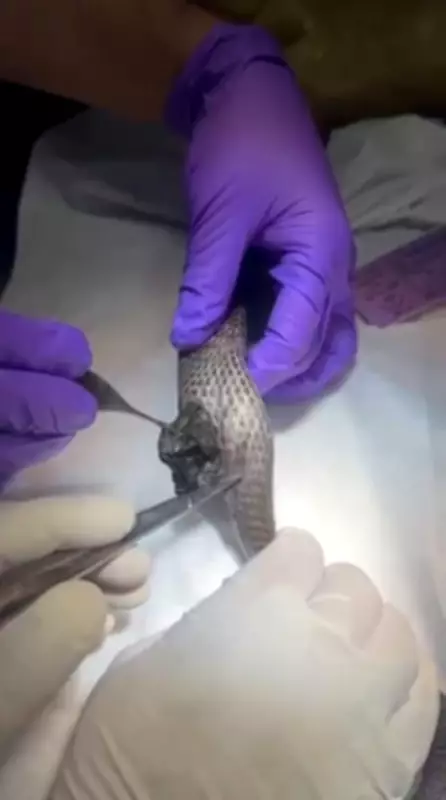
Veterinarians at the Lala Lajpat Rai University of Veterinary and Animal Sciences (LUVAS) in Hisar, Haryana, successfully removed a black polythene bag from the stomach of a cobra during a rare hour-long surgery. The procedure, described as a first for LUVAS, took place at the university's Veterinary Clinical Complex.
Discovery During Surgery
Assistant Professor Dr. Sandeep Saharan and Dr. Rohit Dhull performed the operation after a local snake rescuer, Gaurav—known as the "Snake Man"—brought the injured cobra to the clinic on Wednesday. During the surgery, the veterinarians noticed a swollen section of the snake's stomach with a black object protruding from the injured area. Upon opening the affected section, they found and removed a black polythene bag.
Dr. Saharan stated that the snake had swallowed the entire bag. He noted that while similar cases of polythene ingestion have been reported in cows and buffaloes, finding a polythene bag inside a snake was unexpected and a first for the veterinary team.

Procedure Details and Recovery
The cobra, measuring approximately five feet in length, was anaesthetized before the operation. Because snakes have very smooth skin, the veterinarians faced difficulty maintaining a firm grip during the surgery. They used a pipe-shaped plastic sleeve to hold the snake securely while performing the procedure. The surgery was carried out meticulously and took about an hour to complete.
After the operation, the snake was stitched up and handed back to Gaurav, who will keep it under observation for 10 days. It will then be examined again before being released into a forest area. The doctors also recorded a video of the procedure.
Potential Fatal Outcome Without Intervention
According to the veterinarians, the snake could have died if the polythene had remained in its stomach for much longer. They suspect the bag may have contained food—possibly milk—that attracted the snake, causing it to swallow the entire polythene bag. The successful removal highlights the dangers of plastic pollution to wildlife and the importance of timely veterinary intervention.