

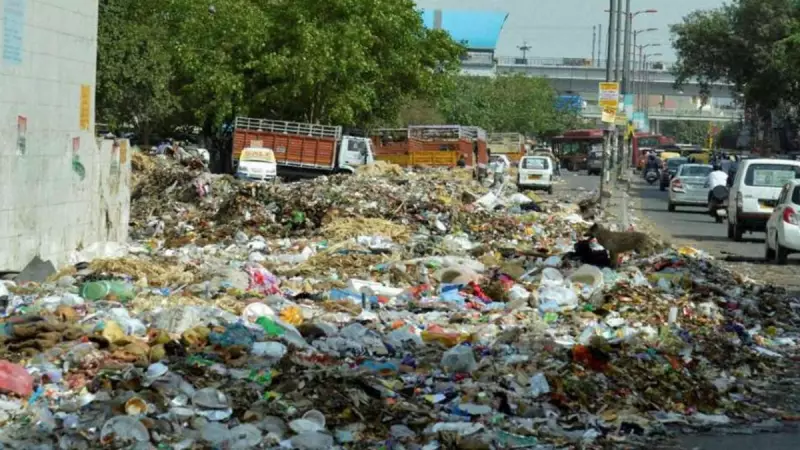
A devastating collapse of a massive garbage mound in the Philippines has resulted in one confirmed death and left at least 27 people missing, plunging a community into crisis. The catastrophic incident occurred in Quezon City, part of the sprawling Metro Manila region, on Tuesday, January 9, 2026, triggering a frantic and ongoing rescue operation.
Chaos and Rescue Amidst the Trash Avalanche
The disaster struck at the Payatas landfill area, a site with a tragic history of similar failures. According to local authorities and disaster response agencies, a significant portion of the towering garbage pile gave way without warning. The avalanche of waste buried makeshift homes and structures that had been built perilously close to the landfill's slopes, highlighting the dire living conditions of impoverished communities often found near such sites.
Rescue teams, including personnel from the Bureau of Fire Protection, police, and local government units, rushed to the scene immediately. Their efforts are focused on a desperate search for the 27 individuals reported missing, feared to be trapped under tons of decomposing refuse. Heavy equipment and sniffer dogs are being deployed to navigate the unstable and hazardous terrain, but the operation is fraught with danger due to the risk of further slides and toxic exposure.

A History of Tragedy and Ongoing Risks
This is not the first tragedy to strike the Payatas dumpsite. The location is infamously remembered for a catastrophic collapse in July 2000 that killed over 200 people, one of the deadliest garbage-related disasters in history. Despite promises of improved safety and management following that event, the area continues to attract informal settlers who scavenge for recyclables to earn a meager living, constantly living under threat.
The latest collapse underscores the persistent and deadly challenges of waste management and urban poverty in the Philippines. Landfills in the metro region are critically over capacity, leading to the proliferation of towering trash mounds that become unstable, especially during the rainy season. While the recent incident did not occur during heavy rains, the structural integrity of such piles remains a perpetual concern for disaster officials.
Response and the Road Ahead
Local government officials have declared the area a danger zone and are coordinating relief efforts for displaced families. The search-and-rescue mission continues to be the top priority, with teams working against the clock to find survivors. The national government is likely to face renewed questions about enforcing safety zones around landfills and providing sustainable livelihoods to prevent communities from settling in such high-risk locations.
This tragic event serves as a grim reminder of the human cost of inadequate urban planning and waste management crises. As the rescue operations in Quezon City press on, the nation watches, hoping for miracles amidst the rubble while confronting the systemic issues that made this disaster possible.






