

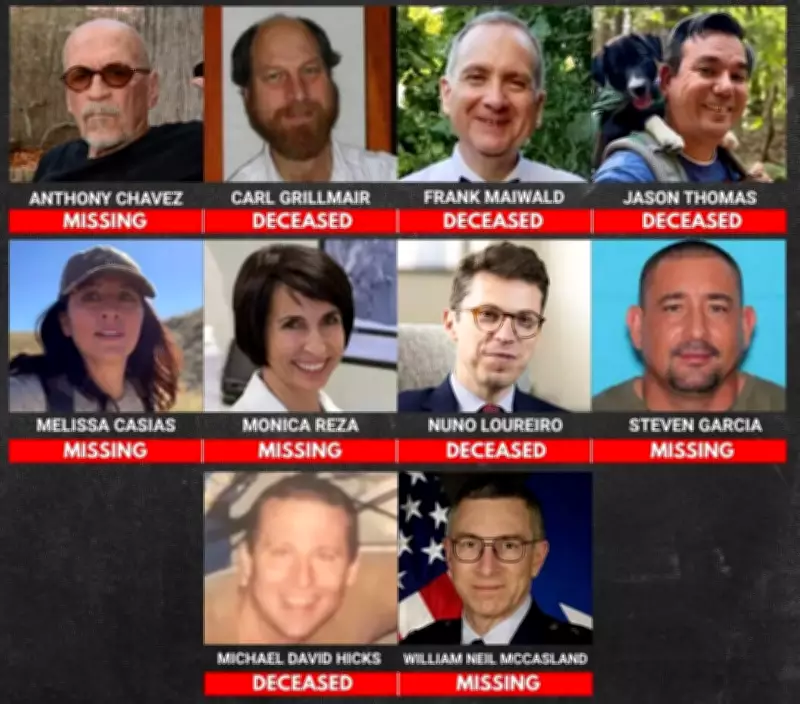
In recent weeks, reports have emerged of 10 US scientists being found dead or missing, raising questions about the frequency and circumstances of such incidents. While the scientific community is closely monitoring the situation, experts weigh in on whether this constitutes an unusual trend.
Understanding the Numbers
Statistically, the number of scientists who die or go missing each year is relatively small compared to the total population of researchers in the United States. However, the clustering of these cases in a short period has drawn attention. According to data from the National Science Foundation, the average annual mortality rate among scientists is consistent with the general population, adjusted for age and health factors.
Possible Explanations
Several theories have been proposed to explain the recent cases. Some suggest that increased media coverage may create a perception of a spike, while others point to potential occupational hazards. Scientists often work with hazardous materials, travel to remote locations, or face mental health challenges due to high-pressure environments.

- Occupational Risks: Field researchers, especially those in geology or biology, may encounter dangerous terrain or wildlife.
- Mental Health: The stress of academic and research deadlines can lead to depression or other issues.
- Media Amplification: Social media and news outlets may amplify isolated incidents, making them appear more common.
Historical Context
Looking back, similar clusters have occurred in the past. For instance, in 2014, a series of deaths among Russian scientists sparked conspiracy theories, but investigations found no foul play. In the US, the FBI has not indicated any pattern linking the recent cases, though investigations are ongoing.
What the Data Shows
A review of records from the past decade reveals that the number of scientists reported dead or missing has remained relatively stable. The current figure of 10 is within the expected range, though the timing has raised eyebrows. Experts caution against jumping to conclusions without complete data.
The scientific community continues to advocate for better safety protocols and mental health support. Meanwhile, authorities urge the public to rely on verified information rather than speculation.






