A devastating road accident in the remote Nokundi area of Pakistan's Balochistan province has resulted in the deaths of eleven Afghan nationals. The tragic incident occurred on Monday, casting a pall of grief over the region and highlighting the perils of travel on this particular route.
Details of the Tragic Collision
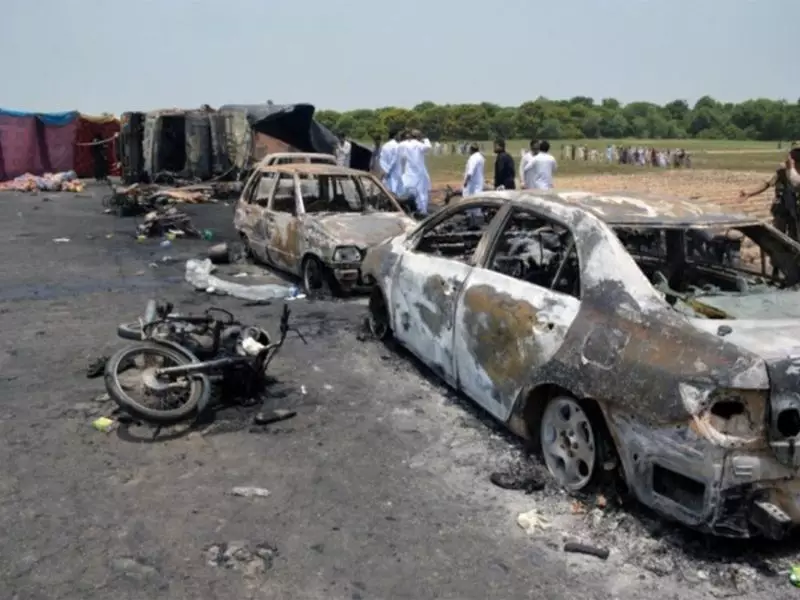
The accident took place on the Quetta-Taftan national highway, a critical but often treacherous road link. According to local authorities, a passenger van collided with a stationary truck that was parked on the roadside. The impact of the crash was severe, causing immediate and fatal injuries to those inside the van.
All eleven individuals who lost their lives were citizens of Afghanistan. The van was reportedly transporting them through the area. Rescue teams rushed to the scene upon receiving information about the collision. Their efforts, however, could not save the victims, who were pronounced dead at the site of the accident.

Response and Investigation
Local law enforcement and rescue services quickly secured the area following the crash. The bodies were recovered from the mangled vehicle and shifted to a nearby hospital for necessary legal and medical formalities. Police officials have launched a full investigation into the precise causes of the accident.
Initial reports suggest that the parked truck may not have been adequately visible or marked, contributing to the collision. The investigation will scrutinize factors like driver fatigue, road conditions, and vehicle safety standards. Such accidents on long-distance highways in the region are a somber reminder of the need for stricter traffic regulation and improved road safety measures.
A Recurring Tragedy on Hazardous Highways
This incident underscores the dangerous nature of the Quetta-Taftan highway, which connects Pakistan to the Iranian border. The route is vital for trade and travel but is known for its challenging terrain and a high incidence of traffic accidents. Tragedies involving passenger vehicles are not uncommon, often resulting in significant loss of life.
The death of eleven Afghan nationals in this accident has broader humanitarian implications. It brings to light the risks faced by individuals traveling across borders for work, trade, or to visit family. The community and officials are now faced with the grim task of identifying the deceased and notifying their families, a process complicated by cross-border circumstances.
This tragedy serves as a urgent call for authorities in the region to enhance road safety protocols, ensure better enforcement of traffic laws, and improve emergency response mechanisms along major highways to prevent such catastrophic loss of life in the future.