

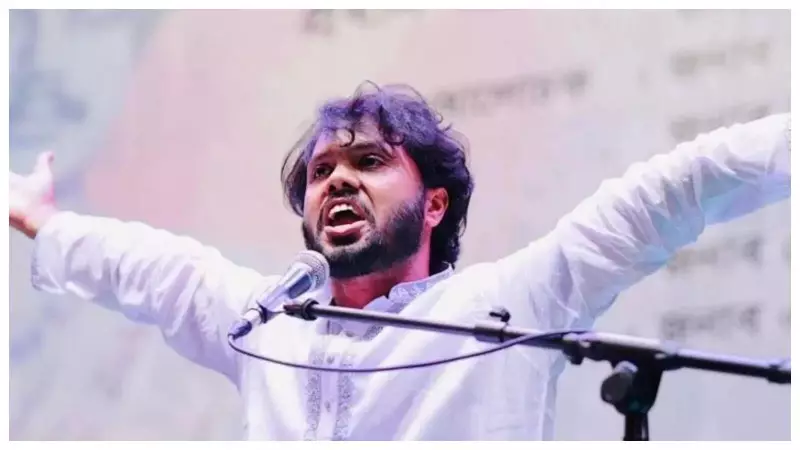
The Dhaka Metropolitan Police (DMP) has formally accused 17 individuals in the high-profile murder case of student leader Sharif Osman Hadi, submitting a chargesheet that points to political vengeance as the motive. The development marks a significant step in a case that has gripped Bangladesh.
Political Vengeance Cited as Motive
At a press briefing in Dhaka on Tuesday, Md Shafiul Islam, an Additional Commissioner of the DMP's Detective Branch, stated the investigation concluded Hadi was killed due to political revenge. He alleged the plot was carried out at the behest of the now-banned Awami League, led by former Prime Minister Sheikh Hasina.
"Through public rallies and social media, Hadi had strongly criticised the past activities of the Awami League and the Chhatra League," Islam told reporters, referring to the party's student wing. "His outspoken remarks angered leaders and activists of the Chhatra League and its affiliated groups."

Details of the Attack and Accused
Sharif Osman Hadi, the 32-year-old spokesperson for the Inqilab Moncho platform, was shot in the head on December 12 while campaigning in Dhaka. He had risen to prominence during the mass protests of July-August 2024 that ultimately led to the fall of the Hasina government. Hadi was also a parliamentary candidate for the February 12 elections.
Despite being airlifted to Singapore for advanced treatment, Hadi succumbed to his injuries on December 18.
The police chargesheet names the alleged shooter as Faisal Karim Masud, who was "directly involved" with the Chhatra League. Another key accused, Taizul Islam Chowdhury Bappi—an Awami League-nominated ward councillor—is alleged to have helped Masud and a prime suspect, Alamgir Sheikh, flee after the murder. So far, 12 people have been arrested in connection with the case.
Timeline and Demands for Justice
The submission of the final chargesheet came a day earlier than announced. While Home Affairs Adviser Jahangir Alam Chowdhury had told reporters it would be filed on January 7, police submitted it on Tuesday. This move followed sustained protests in Dhaka by Inqilab Moncho, which has been demanding justice for its slain leader.
The case continues to underscore the tense political landscape in Bangladesh, linking the murder directly to the country's recent political upheaval and the activities of student political wings.






