

Total Lunar Eclipse 2026: A Spectacular Blood Moon Event in March
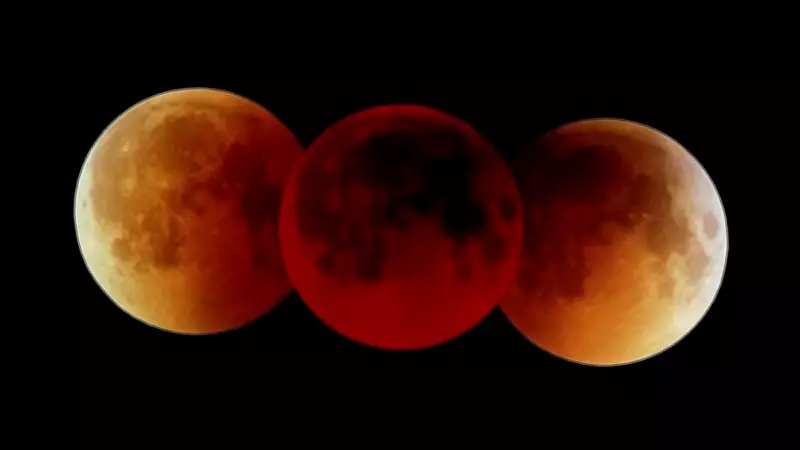
On March 3-4, 2026, the Moon will undergo a dramatic transformation during a total lunar eclipse, adopting a striking reddish hue that has earned it the nickname 'blood Moon.' This celestial phenomenon occurs when the Earth aligns directly between the Sun and the Moon, casting its shadow and allowing only red wavelengths of sunlight to filter through the atmosphere and illuminate the lunar surface.
When and Where to Witness the Blood Moon
The total lunar eclipse is scheduled to take place over the night of March 3-4, 2026, with precise timing varying by location. According to NASA, the event will be visible from specific regions across the globe, offering skywatchers a rare opportunity to observe this natural spectacle.
Key visibility areas include:

- Parts of Asia, such as India, China, and Japan, where the eclipse may be seen in its entirety or partially depending on local conditions.
- Regions in the Pacific, including Australia and New Zealand, which are expected to have clear views of the blood Moon.
- Select areas in the Americas, though visibility might be limited or occur during daylight hours in some locations.
- Europe and Africa, where the eclipse could be partially visible, with the best chances in eastern regions.
NASA has provided detailed maps and data to help enthusiasts plan their viewing, emphasizing that local weather and timing will play crucial roles in the experience.
Understanding the Science Behind the Blood Moon
During a total lunar eclipse, the Moon passes through the Earth's umbra, or darkest part of its shadow. This alignment causes the Moon to appear red because Earth's atmosphere scatters shorter blue wavelengths of light, while longer red wavelengths bend around the planet and reach the Moon. This effect, known as Rayleigh scattering, is the same process that gives sunrises and sunsets their vibrant colors.
The 2026 event is particularly notable as it marks one of the few total lunar eclipses visible from multiple continents in recent years, making it a highlight for astronomers and casual observers alike.
Preparation and Viewing Tips
To maximize the experience of the blood Moon, consider the following tips:
- Check local eclipse times and weather forecasts in advance to ensure optimal viewing conditions.
- Find a location with minimal light pollution, such as rural areas or parks, for a clearer view of the night sky.
- Use binoculars or a telescope to enhance details of the Moon's surface during the eclipse, though it is visible to the naked eye.
- Stay updated with resources from organizations like NASA for real-time information and educational materials.
This total lunar eclipse serves as a reminder of the dynamic nature of our solar system and offers a chance for global communities to engage with astronomy. Whether you're in a prime viewing area or catching glimpses online, the blood Moon of March 2026 promises to be a memorable event for all.






